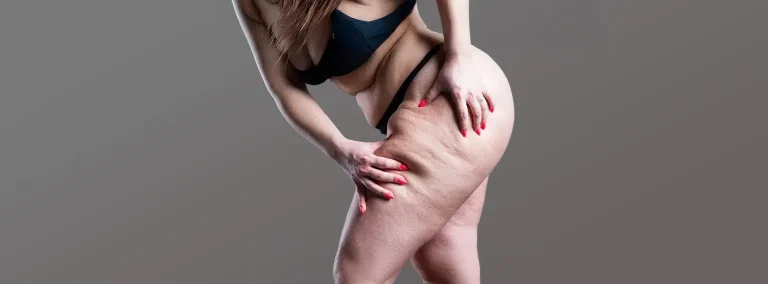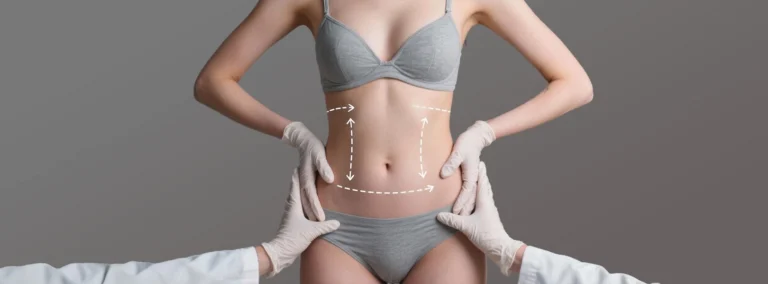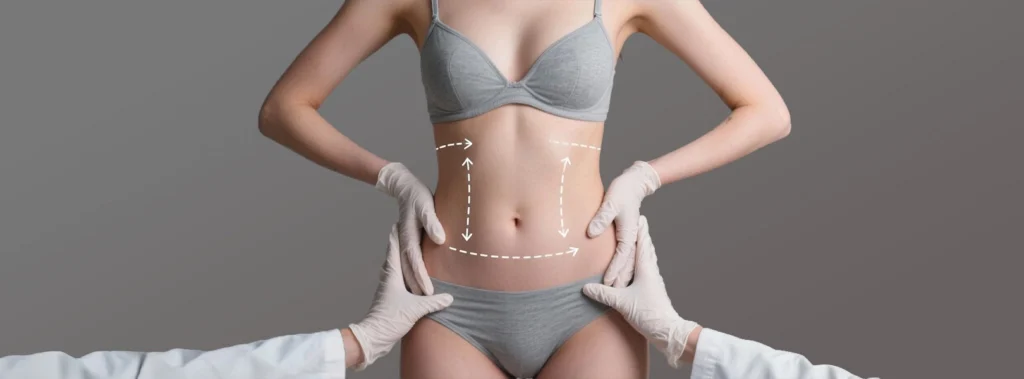
Tummy tuck, also called abdominoplasty, removes excess abdominal skin and may tighten weakened abdominal muscles to improve abdominal contour. Suitability, incision length, recovery and scar appearance depend on anatomy, health, weight stability and the surgical plan agreed after examination.
- A tummy tuck may remove excess abdominal skin and can include muscle tightening when this is clinically appropriate.
- Weight changes and a future pregnancy can alter the abdominal contour achieved with abdominoplasty.
- Liposuction may be combined with a tummy tuck in selected cases, but it does not remove substantial loose skin or repair muscle separation on its own.
- Early tummy tuck recovery often includes swelling and restricted movement, with a gradual return to daily activities over several weeks.
- Tummy tuck surgery has recognised risks, including bleeding, infection, fluid collection, delayed healing, scarring and changes in sensation.
Tummy tuck, medically known as abdominoplasty, is surgery that removes excess skin from the abdominal wall and, when clinically appropriate, addresses localised fat and weakened or separated abdominal muscles. It is planned around the individual pattern of skin laxity rather than around a fixed technique, and suitability is established through examination rather than from description alone.
What Is a Tummy Tuck?
A tummy tuck is a surgical procedure that removes loose abdominal skin and tightens the abdominal contour, and in selected cases it also includes repair of stretched muscle layers. Changes in abdominal shape may follow pregnancy, ageing, inherited skin characteristics, previous abdominal operations or repeated weight gain and loss. These factors explain why the abdomen may look full or lax, but on their own they do not establish that surgery is the right option for a particular person.
The intended outcome is a flatter and firmer abdominal profile, not weight reduction; abdominoplasty is not a treatment for obesity or a substitute for weight management. Because later weight fluctuation or a subsequent pregnancy can alter the appearance achieved, timing is part of the surgical plan from the outset. When substantial weight loss has affected the thighs, arms or chest as well as the abdomen, post-bariatric body contouring may be the broader context in which the abdomen is assessed.
Tummy Tuck Surgery How Is It Performed?
Tummy tuck surgery begins with a horizontal incision made low on the abdomen, between the pubic area and the umbilicus. Skin is lifted, redraped and the surplus removed; where the muscle layer has separated or weakened, it may be tightened with internal sutures. When skin from the upper abdomen is moved downward, a new opening is created so the belly button can be brought through and sutured in position. The length and shape of the incision depend on how much tissue needs to be removed, and closure may use sutures, skin adhesive, dressings or clips according to the surgeon’s preferred approach.
The operation is planned around the amount and distribution of loose skin, excess fat and muscle laxity identified during physical examination. Consultation usually covers medical history, previous abdominal or pelvic operations, current medicines and supplements, smoking or other nicotine exposure, how stable body weight has been, any plans for pregnancy, and what the person hopes the surgery will change. The decision to proceed is made after examination by a plastic surgeon, taking general health and anaesthetic fitness into account.
Operative time varies with the plan, since the extent of skin removal, muscle repair and any additional work determine the actual duration; the likely length of surgery becomes clearer at consultation. General anaesthesia is commonly used, although the anaesthetic plan is decided individually, and the length of hospital stay depends on the procedure performed and on early recovery.
Who May Be Suitable for Abdominoplasty?
Abdominoplasty may suit adults troubled by persistent loose abdominal skin or contour laxity that is unlikely to improve substantially with diet and exercise alone. Stable body weight matters more than any particular body size; body mass index may inform planning and anaesthetic assessment, but it is only one element of a wider safety evaluation that also considers general health, previous surgery and healing capacity.
People who expect significant further weight loss, or who are considering pregnancy in the near future, are commonly advised to discuss timing carefully, because both can change the result. Abdominal laxity after childbirth can be considered within a postpartum aesthetic plan when more than one area is involved. Stopping smoking well before surgery supports wound healing, and aspirin, anti-inflammatory medicines and some herbal supplements may need review because they can increase bleeding risk; any change to prescribed medication should be directed by the treating clinician.
Tummy Tuck Belly Button Why Is It Repositioned?
The belly button often needs a new opening because skin from the upper abdomen is drawn downward during a full tummy tuck, which would otherwise carry the umbilicus out of its natural position. In the standard full procedure the umbilicus stays attached to the deeper tissues of the abdominal wall while the surrounding skin is redraped around it, and it is then brought through a newly created opening and sutured.

Position and shape are planned in relation to abdominal proportions, the midline and the quantity of skin removed, which is why the step is individualised rather than standardised. A more limited abdominoplasty may use a different incision pattern and may not require repositioning at all, depending on the anatomy and the operative plan agreed beforehand.
Tummy Tuck Scar Where Is It Placed?
The tummy tuck scar is usually placed low on the abdomen so that it can often sit beneath underwear or swimwear, although its length depends on how much skin removal the contour requires. Where the umbilicus is repositioned, a further scar around the belly button is also expected, and both are permanent even when they settle well.
Scars commonly remain red for a period that varies from person to person and generally become less conspicuous as they mature, but the pace and final appearance differ considerably between individuals. Skin quality, tension along the closure, the course of wound healing, smoking or nicotine exposure and adherence to aftercare instructions can all influence how a scar develops. Because the likely position and length cannot be judged reliably from a general description, scar planning is discussed before surgery with reference to the individual’s anatomy.
Can Liposuction Be Combined With a Tummy Tuck?
Liposuction can be combined with abdominoplasty in selected cases, where localised fat contributes to the abdominal or waist contour and the surgeon judges the combined plan safe for that person. The two operations address different problems: liposuction reduces fat deposits but does not remove substantial excess skin or repair separated abdominal muscles, whereas abdominoplasty addresses skin excess and, when indicated, muscle laxity.
Combining procedures changes operative planning, lengthens the surgery and may alter recovery requirements and risk assessment, particularly in relation to blood supply to the lifted skin and the healing of a long incision. For this reason the extent of any additional fat removal is decided case by case rather than applied routinely. Liposuction for localised fat is planned on different criteria from skin-removal surgery, and it is not a method of weight loss; neither procedure, alone or together, is suitable for everyone.
Tummy Tuck Recovery What Should You Expect?
Tummy tuck recovery commonly begins with swelling, discomfort and a temporarily stooped posture, followed by a gradual return to ordinary activity that depends on individual healing and the surgeon’s instructions. Abdominal swelling is often most noticeable in the early days after surgery. Standing fully upright may be difficult at first, yet most people start taking short walks soon after the operation, since early mobilisation supports circulation and gradual recovery of movement.
Pain medicines should be used exactly as prescribed. Instructions regarding dressings, suture removal, showering, compression garment use, sleeping position and driving differ according to the surgeon and the procedure performed, so written postoperative advice takes priority over general guidance. Light activity is increased step by step rather than according to a universal exercise programme. Returning to everyday life usually takes several weeks, and the timing of work, sexual activity, heavy household tasks and sport varies with comfort, mobility and the demands involved; these points are clarified at follow-up rather than set by a fixed timetable.
Certain symptoms need prompt clinical attention rather than observation at home: increasing or one-sided pain, bleeding, fever, redness or discharge from the wound, rapidly increasing swelling, chest pain or breathlessness. In these situations the clinical team should be contacted directly, as such complaints cannot be assessed remotely or from written information.
Tummy Tuck Risks What Are the Possible Complications?
Tummy tuck risks include both surgical and anaesthetic complications, and their likelihood varies with general health, smoking status, the extent of surgery and individual healing characteristics. Reported complications of abdominoplasty can be grouped as follows:
- Bleeding, infection and fluid collection under the skin, known as seroma
- Delayed wound healing, skin loss or fat necrosis in the tissue beneath the skin
- Changes in or loss of skin sensation, and alterations in skin colour
- Prolonged swelling, noticeable scarring and asymmetry
- Recurrent skin laxity over time and persistent pain
- Reactions and complications related to anaesthesia
Uncommon but serious complications can occur with any operation performed under general anaesthesia, and no surgical plan removes this possibility entirely. Smoking or nicotine exposure, certain medicines, previous abdominal surgery and conditions such as diabetes or circulatory disease may all influence risk assessment and wound healing, which is why these are reviewed before a decision is made. Care by an appropriately trained plastic surgeon, a thorough preoperative assessment and consistent adherence to aftercare instructions can help reduce avoidable risk, but they cannot eliminate risk.
Can You Get Pregnant After a Tummy Tuck?
Pregnancy remains possible after abdominoplasty, and the available clinical information does not describe a direct problem with pregnancy itself. What can change is the result: stretching of the abdominal wall and the weight changes of pregnancy may loosen the contour achieved by surgery, and this is common after childbirth.
For those considering surgery after giving birth, assessment is usually made once postpartum weight and tissue changes have settled, which takes a variable length of time. Obstetric and surgical advice should guide individual planning, so future pregnancy plans are a central consultation topic rather than a basis for general assumptions.
Can a Non Surgical Tummy Tuck Replace Surgery?
Non-surgical treatments may help with selected concerns such as mild skin laxity or limited fat deposits, but they do not generally remove substantial excess skin and do not reproduce the muscle repair that abdominoplasty can include. Their role therefore depends on what is actually causing the abdominal appearance.
Diet and exercise support general health and body composition, and energy-based skin-tightening or fat-reduction methods may be discussed for limited concerns; non-surgical tummy tuck options have different limits from skin-removal surgery, and the degree of change they can produce varies between individuals. Physical examination clarifies whether the main issue is fat, loose skin, muscle separation or a combination, and that distinction usually determines which approaches are worth considering.
Whether abdominoplasty is appropriate, and which technique fits the anatomy, is determined by examination and clinical assessment carried out by Prof. Dr. Şükrü Yazar.
Frequently Asked Questions
How long does tummy tuck surgery take?
The duration varies with the surgical plan. The extent of skin removal, whether muscle repair is performed and any additional procedures all affect operative time, which becomes clearer after examination.
How long is the hospital stay after a tummy tuck?
Length of stay differs from person to person, as discharge timing depends on the procedure performed and how the person is recovering in the first days.
When can I return to work after a tummy tuck?
Return-to-work timing varies with healing, comfort, mobility and whether the role involves physical demands, so it is advised individually at follow-up.
Can I have a second tummy tuck?
A revision or second abdominoplasty may be considered in selected circumstances once healing is complete and the contour has settled. The appropriate interval is decided after reassessment.
Will a tummy tuck remove stretch marks?
Stretch marks located within the skin that is excised may be removed, while marks outside that area generally remain. Their position and the planned extent of skin removal determine what may change.
Can men have a tummy tuck?
Abdominoplasty may be considered for men as well as women when excess abdominal skin, contour laxity or muscle separation is present and surgical assessment supports the plan.
References
- Tummy Tuck Procedure — American Society of Plastic Surgeons
- Abdominoplasty: classic principles and technique — PubMed
- Diastasis recti abdominis – a review of treatment methods — PubMed
The information here is for guidance only and does not replace examination, diagnosis or treatment.