Liposuction is a minimally invasive surgical procedure designed to remove stubborn fat deposits from specific areas of the body, such as the abdomen, thighs, and buttocks, using a vacuum system and thin cannulas. It is not a weight-loss or cellulite treatment, but rather a body-contouring method for individuals in good general health who cannot eliminate localized fat through diet and exercise.
- Liposuction is a minimally invasive surgical procedure designed to remove stubborn fat deposits from specific areas of the body, such as the abdomen, thighs, and buttocks, using a vacuum system and thin cannulas.
- It is not a weight-loss or cellulite treatment, but rather a body-contouring method for individuals in good general health who cannot eliminate localized fat through diet and exercise.
- Advanced techniques, such as laser-assisted (SmartLipo), ultrasound-assisted (Vaser), and power-assisted (Lipomatic) liposuction, are often used to improve results and address skin laxity.
- Patients typically wear a compression garment after the procedure to aid in reshaping and tightening, and can usually return to normal activities within about two weeks.
- Individuals with conditions like heart disease, diabetes, or circulatory problems should consult a specialist before considering liposuction to minimize potential complications.
What is Liposuction and What is it Used For?
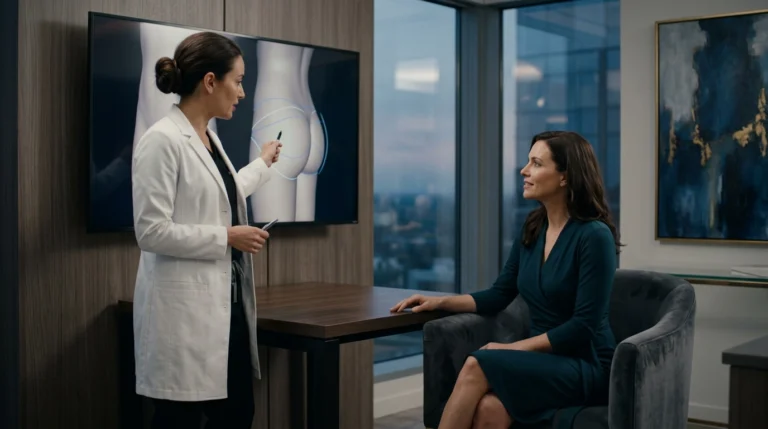
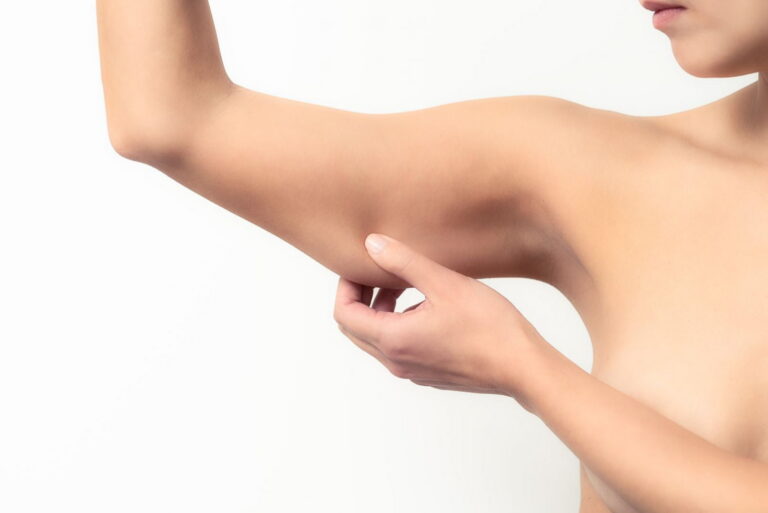
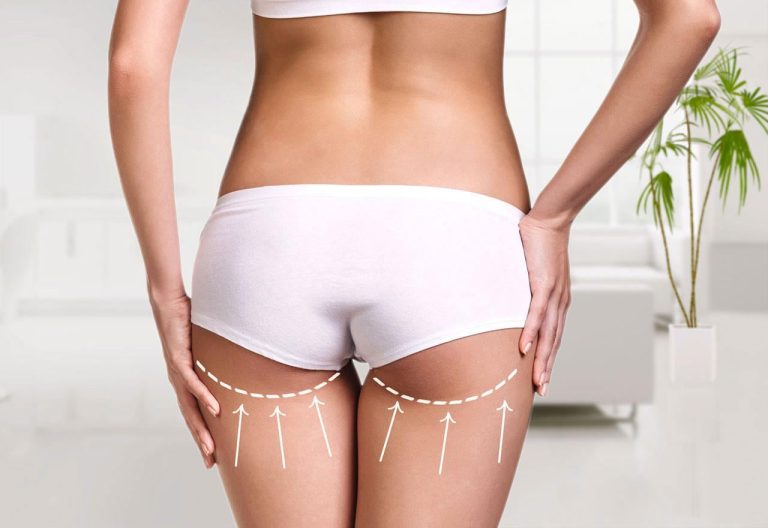
Liposuction, also known as fat removal or fat reduction, is a procedure in which stubborn fat deposits in areas such as the abdomen, thighs, and buttocks are removed from the body using a vacuum system with perforated cannulas, and these areas are then reshaped. The goal of liposuction is to remove stubborn fat that has accumulated in specific areas of the body and cannot be eliminated through diet and exercise. Liposuction is used to eliminate resistant fat deposits in various parts of the body, including the abdomen, back, legs, arms, chin, buttocks, and thighs.
How is Liposuction Performed?
In classic liposuction techniques, the procedure steps are as follows:
- Small incisions of 1-2 mm are made in the area to be slimmed down, and stubborn fat tissues are melted using various methods.
- The melted fats are removed using thin cannulas.
- To minimize the visibility of surgical scars, incisions are made along body creases and in the underwear area.
In laser-assisted liposuction methods:
- Fat deposits are melted using a laser.
- Afterwards, the melted fats are removed by suction through thin cannulas inserted via 1-2 mm incisions. In laser lipolysis, one of the most advanced techniques;
- The melted fat is then eliminated by the kidneys and liver. The procedure is performed without any surgical intervention or vacuuming.
Because liposuction is one of the most frequently performed cosmetic surgeries worldwide, countless studies are being conducted to achieve even better results by following modern technology. These studies are mostly aimed at reducing skin laxity and cellulite-like appearances that occur after liposuction. For this purpose… Vaser Laser (SmartLipo) and power-assisted liposuction (Lipomatic) techniques are frequently used.
- Laser Liposuction In this technique, the fat layer is first broken down by applying heat. Then, the homogenized fat is removed from the body using cannulas. The skin underneath, which has been hollowed out, is then heated again using laser technology to tighten it.
- Vaser Liposuction In this technique, sound waves, also known as ultrasound energy, are used to break down the fat layer. The homogenized fat is then removed from the body through cannulas. The skin underneath is then tightened using Vaser cannula tips.
- Lipomatic Power-assisted liposuction (GDL) is a form of liposuction. It uses a cannula attached to an oscillating handpiece that moves back and forth to break up unwanted fat cells – without using heat – before pulling them out of the body.
These techniques should be performed by surgeons who are experts and experienced in this field. Because laser liposuction breaks down fat using heat, great care must be taken to avoid burning the skin.
What are the different liposuction techniques?
Liposuction Prices
Hospitals, aesthetic clinics, and centers approved by the Turkish Ministry of Health are prohibited from listing liposuction prices on their websites, and clinics that violate this rule face penalties. Furthermore, this applies to specialists in Aesthetic, Plastic, and Reconstructive Surgery. Professor Doctor Şükrü YazarIn order for the clinic to provide accurate information regarding liposuction prices, it first needs to see and examine the patient. Nişantaşı Şükrü Yazar Clinic Communication ☏ +90 212 257 1515 ✆ +90 541 334 3484 You can obtain information by calling the phone numbers or by contacting patient advisors via the live support line with questions such as “What are the prices of liposuction?” and by stating that you would like to discuss liposuction procedures with a specialist doctor. You can request an appointment..
Liposuction Frequently Asked Questions
The most frequently asked questions about aesthetic procedures before, during, and after.
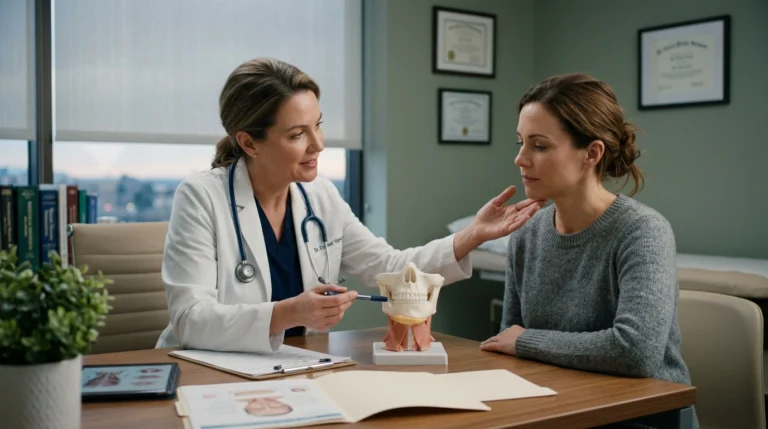
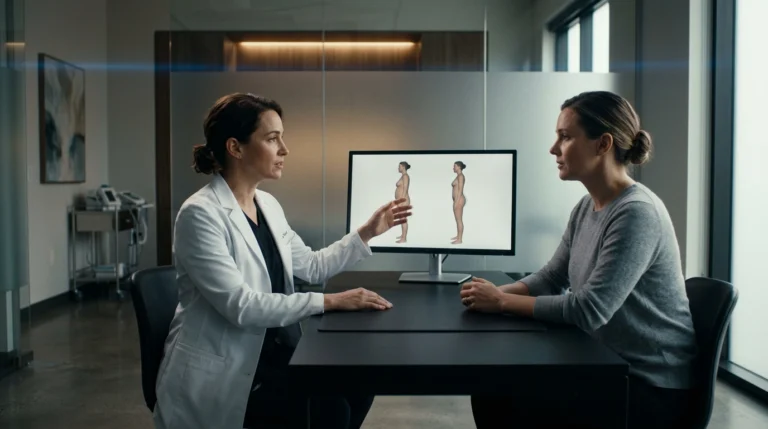
Who can have liposuction?
Liposuction is not a weight loss or cellulite treatment method. It is a minimally invasive surgical technique used for localized slimming and body shaping. Therefore, good general health is essential for this procedure. Aimed at removing stubborn fat from specific areas of the body to achieve an aesthetically pleasing appearance, liposuction is suitable for anyone who is not pregnant or breastfeeding and does not have any health problems. To avoid complications after liposuction, it is advisable to obtain approval from a specialist doctor before the procedure if the person has heart or diabetes, a weakened immune system, or any circulatory problems.
What is the recovery process like after liposuction?
Liposuction is performed under local anesthesia. It is frequently preferred because it is a procedure from which patients recover quickly. On average, patients can return to their daily lives within a few days after the surgery. They can resume normal activities in about two weeks. The level of bruising and pain varies depending on the type of technique used. A liposuction compression garment should be worn after the procedure to help the body reshape and tighten more quickly. Smoking should be avoided after liposuction to ensure a faster recovery process.
What are some common misconceptions about liposuction surgery?
- Liposuction is not a weight loss method.
- Liposuction is not a cellulite treatment method.
- Liposuction does not mean that weight gain will not occur.
- Liposuction does not have a buttock lifting function.
- Liposuction is not performed on the area under the buttocks or the front of the thighs.
- Liposuction is not a method used to correct sagging in the abdominal area or skin caused by frequent weight gain and loss.
What are some other non-surgical liposuction methods?
Among other non-surgical fat removal methods, Laser Lipolysis is the most popular. In this procedure, which uses high technology to melt fat tissue, procedures can be performed without disrupting skin integrity thanks to cryolipolysis and cavitation techniques. Laser Lipolysis is preferred when a large amount of fat tissue needs to be removed due to its high success rate. It is possible to melt approximately 1 liter of fat in a short time, averaging around 10 minutes. Furthermore, if there is any sagging skin, this technique can easily tighten it.
What are the risks after liposuction?
Compared to many other surgeries, liposuction is a procedure with a much lower risk rate. Bleeding and infection are very rare. When performed by a skilled and experienced doctor, the potential complications are minimized.
Are the results of liposuction (fat removal) permanent?
During liposuction, fat cells are permanently removed from the body. Even if there is no fat accumulation in these areas, weight gain can occur as fat accumulation in other areas. Exercising and following a proper diet after liposuction will help maintain the new shape.
Which areas can liposuction be applied to?
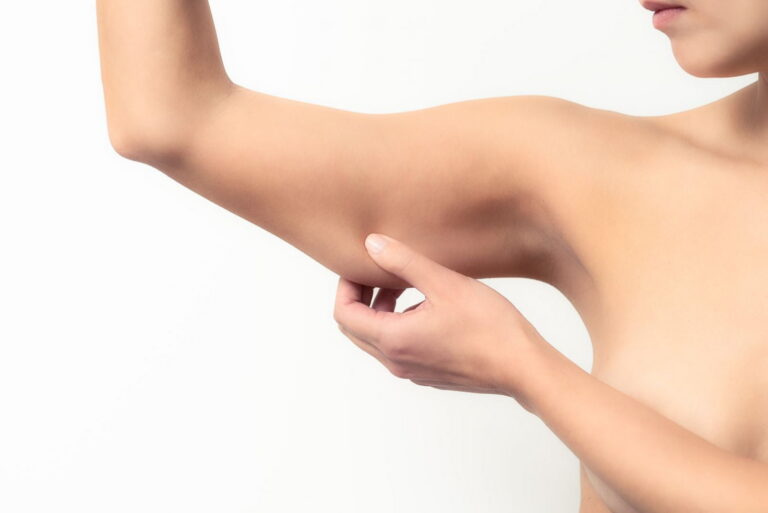
It can be applied to any area from the ankles to the cheeks. However, it is most frequently applied to areas with excess fat, such as the abdomen, hips, inner thighs, waist, back, and neck. This method has also proven effective in treating sagging underarms.
Will there be scarring after liposuction?
The recovery process after liposuction varies depending on the individual and the method used. Scars in the treated area begin to heal in 2 to 3 weeks and disappear completely in approximately 3 months.
How much fat is removed during liposuction?
The amount of fat removed in this operation cannot exceed 8% of the body’s total weight. The amount of fat removed varies from person to person, averaging between 1 and 5 liters.
The information here is for guidance only and does not replace examination, diagnosis or treatment.