
Intro
Quick enquiry
Fill in the short form and our team will call you the same day.
Same-day reply · Your details stay private
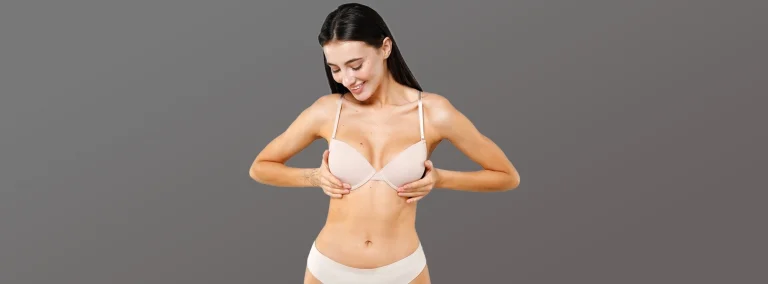 Breast Reconstruction
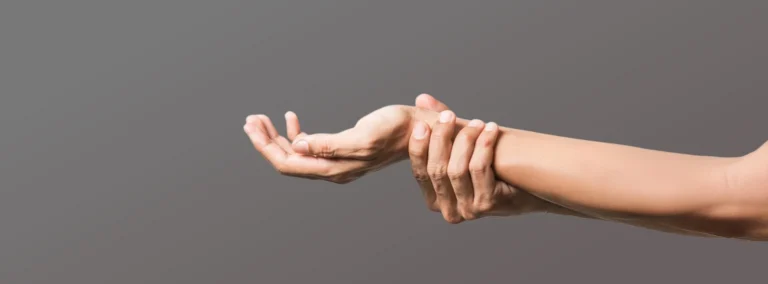 Carpal Tunnel Syndrome
 Cleft Lip and Palate
 Congenital Hand Anomalies
 Double Jaw Surgery
 Ear Reconstruction
 Facial Fractures
 Fat Injection
 Genital Organ Reconstruction
 Head and Neck Surgery
 Lower Extremity Surgery
 Scar Revisions
 Skin Cancer Removal
 Toe-to-Hand Transplantation
 Upper Extremity Surgery
No treatments in this area.
Reconstructive surgery aims to restore tissue, bone and function that were lost at birth or later. The difference from aesthetic surgery is that priority is given to lost form and function before appearance. Both are practised in the same specialty, with the same anatomical knowledge.
Breast reconstruction, hand and microsurgery, congenital differences of the hand and face, repair after skin tumours, and trauma sit under this heading. At the Nişantaşı clinic, Prof. Dr. Şükrü Yazar builds the plan — often in more than one step.
Reconstruction is not a single operation. Tissue loss, nerve and vessel repair, bone alignment or scar each need different techniques. The cards above are the main reconstruction fields in the clinic; detail sits on the treatment page.
Procedures in the aesthetic hubs aim at a chosen form. Here, the aim is integrity after loss, a congenital difference or disease. The two worlds can meet: after reconstruction, an aesthetic touch may be needed for symmetry. This article explains how a decision is made and when waiting is right.
Every loss is different; still, separating the fields at a high level makes the choice easier.
Diagnosis comes first: imaging, pathology, previous operative notes and a functional examination. Then options are set out — each with gain, risk and rehabilitation. In large reconstructions, sequence matters more than finishing in one session.
Surgery is chosen because it is the most suitable path for that loss, not because it is the most spectacular method at hand. If observation or a smaller step is better, that is said too.
Free flaps, vascularised tissue transfer and nerve repair come into play according to the size of the defect. Not every case needs microsurgery. When it does, that infrastructure is planned with Prof. Dr. Şükrü Yazar’s microsurgical experience.
Technology and magnified surgery increase precision; the decision is still set by tissue blood supply, infection risk and your general health.
Two mastectomies do not produce the same reconstruction. Irradiated tissue, smoking, diabetes and body habitus change the path. In congenital anomalies, age and growth also enter the calendar.
Success is measured not only on the day of surgery, but with physiotherapy and long follow-up. That wait is discussed from the start.
The first step is sharing records: discharge summaries, pathology, imaging. A remote preview is possible, but complex reconstruction still needs an in-person examination. The plan is written with steps, hospital stay and rehabilitation.
At discharge, wound care, movement limits and warning signs are clear. For patients travelling from abroad, documents to share with a local physician are prepared.
A reconstruction proposal can be large and hard to reverse. A second opinion is to read the diagnosis and sequence independently. It is ordinary especially after tumour reconstruction and in microsurgical plans.
Reconstruction is only as good as the care around it: infection prevention, circulation checks, pain and physiotherapy. In hand and breast reconstruction, the balance between early movement and protection is set by the physician.
A pale flap, rising pain, fever or unexpected discharge needs urgent notice. Rehabilitation is a continuation of the operation; it is not an optional extra.
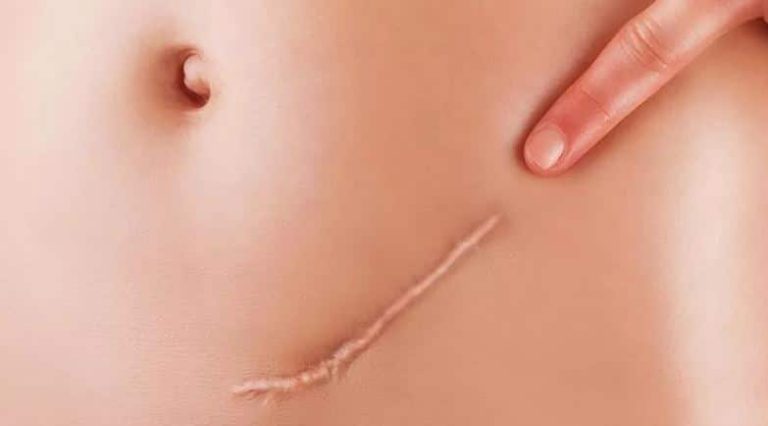
If tumour margins are not clear, oncologic safety comes first. After trauma, bone alignment may not be readable until swelling settles. Aggressive scar revision is often deferred until the scar has matured.
Waiting is not indifference. It waits until the tissue can be read.
Implant breast reconstruction versus own-tissue reconstruction; a local flap versus a free flap; one session versus staged surgery are different paths. A written plan should show the scar, duration and functional expectation of each.
This page is for general information only. It is not a diagnosis, a treatment recommendation, or a personalised plan. Which procedure is appropriate for you is decided after a qualified physician examines you.
Prof. Dr. Şükrü Yazar
An in-person or online consultation can be arranged at the Nişantaşı clinic.
Your cookie choices
We use essential cookies to run this site. With your consent we also use analytics cookies and load third-party content such as maps and videos. You can change your choice at any time. Details: Cookie Policy.
Choose what you allow. Essential cookies stay on because the site does not work without them.
Needed for core functions such as security, forms and remembering your cookie choice.
Help us measure visits and improve the site (Google Analytics, Microsoft Clarity). Off unless you turn it on.
Loads embedded content such as Google Maps and YouTube; these providers may set their own cookies. Off unless you turn it on.
Your choice is stored for 12 months. You can reopen this window via “Cookie Settings” at the bottom of the site. Cookie Policy
Prof. Dr. Şükrü Yazar
Aesthetic · Plastic · Reconstructive Surgery
Intro
About us
A personalized approach combining academic depth with clinical experience in plastic, reconstructive and aesthetic surgery. Scientific rigor and safe planning.
Read more — About the clinicContact