TREATMENTS
Body Aesthetics
Body contouring and genital aesthetic procedures.

Quick enquiry
Enquire about Body Aesthetics
Fill in the short form and our team will call you the same day.
Same-day reply · Your details stay private
 Ankle Aesthetics
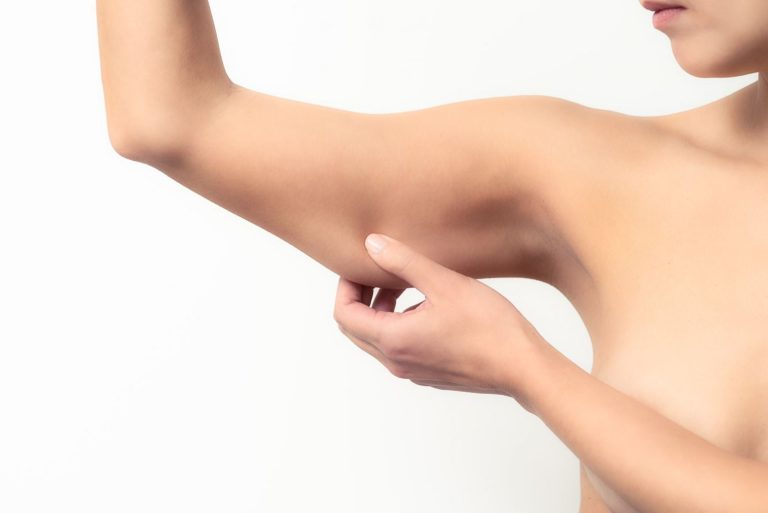 Arm Lift
 Back Lift
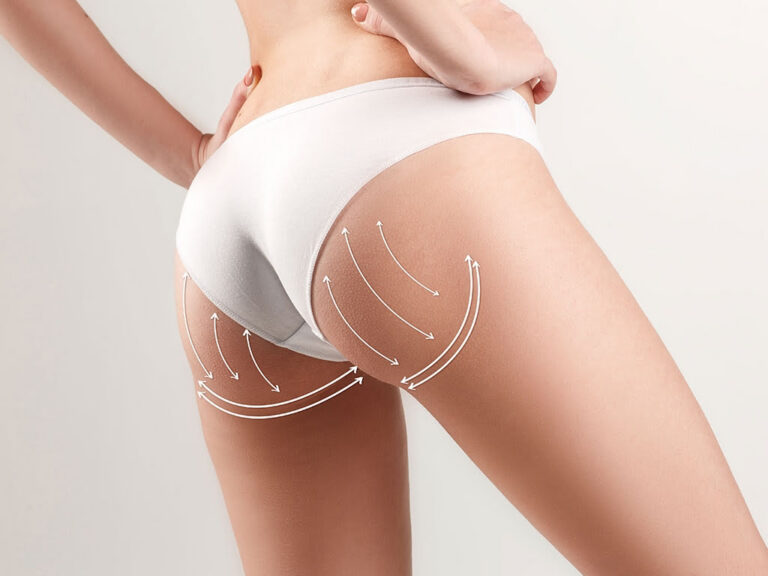 Brazilian Butt Lift (BBL)
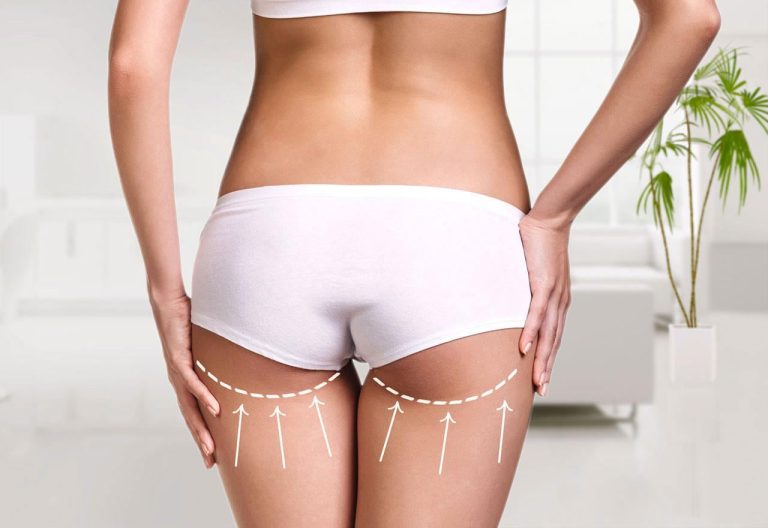 Buttock Lift – Hip Lift
 Hand Aesthetics
 Hip Aesthetics
 Leg Aesthetics
 Lipedema Treatment
 Liposuction
 Mommy Makeover
 Penis Aesthetics
 Post-Bariatric Surgery
 Pre-Wedding Aesthetics
 Thigh Lift
Tummy Tuck
Thigh Lift
Tummy Tuck
 Vagina Aesthetics
No treatments in this area.
Body aesthetics addresses fat, excess skin and the balance of contours with surgery. The aim is not weight loss, but to bring areas that diet and exercise do not change into line with the rest of the body.
Childbirth, weight change or ageing leave different marks on the same body. Waist–abdomen, arms, thighs and hips affect one another; the plan is therefore not built by looking at one region alone. At the Nişantaşı clinic, assessment is made by Prof. Dr. Şükrü Yazar.
Which body procedures are there?
Body aesthetics is not one operation name. Removing fat, tightening excess skin and transferring volume are separate decisions; sometimes they are combined in one session. The cards above are the main body procedures planned in the clinic; detail sits on the treatment page.
The right procedure depends on whether the complaint is fat, skin, or both. Examination, weight history and skin elasticity separate these. This article explains how a decision is made and when a procedure is not offered.
Main areas, in brief
Every body is different; still, knowing the regions at a high level makes the choice easier.
- Fat contourTargets stubborn fat pads. Lipedema is a separate diagnosis; it is not planned as ordinary spot reduction.
- TorsoFor a lax abdominal wall and excess skin. A postpartum plan may consider abdomen, waist and breasts together.
- Arms and legsWhere excess skin remains, liposuction is not enough.
- Hips and contourVolume and shape are handled separately. Fat transfer and a lift are not the same result.
- Major weight lossPlans excess skin in several regions in sequence; one session is not always right.
- Hands, ankles and genital areaDiscussed as part of the body silhouette, with a separate examination.
How is the decision made?
The order is fixed: complaint and health history, examination, realistic options, a shared plan, structured follow-up. Liposuction does not hide excess skin; a tummy tuck does not solve every fat pad. Confusion comes from choosing the wrong operation.
A procedure is offered because it is the most suitable path for that body. If waiting, stabilising weight, or treating only one region is better, that is said too.
Surgical methods and their limits
Classic, ultrasound-assisted or laser-assisted liposuction enter fat tissue differently; not every method suits every skin. Whether muscle repair is needed in a tummy tuck is seen at examination. In BBL, graft survival and a safe injection plane come before a volume promise.
Technology does not replace judgement. Which instrument is used is chosen by the physician according to skin quality and the target area, and the reason is explained.
A plan for the person
The same weight is not the same body. Fat distribution, stretch marks, previous scars and pregnancy history change the plan. A two-session path can be safer than finishing everything in one sitting.
Body aesthetics is not a weight-loss method. It is discussed in candidates at a stable weight, with realistic expectations, who can set aside time to recover.
How does the process work?
At the first visit the region, weight history and, if available, photographs are shared. Examination assesses skin elasticity and muscle. The plan states which region, which sequence, which recovery.
After surgery, garments, movement limits and review appointments depend on the procedure. For patients travelling from abroad, discharge and remote follow-up are set around travel dates.
A second opinion
If liposuction or a lift was recommended elsewhere, a second opinion is appropriate. BBL and post-bariatric plans in particular should be read independently for safety and sequence. The final decision depends on examination.
Safety, recovery and follow-up
In body surgery, clot risk, fluid balance and wound care matter as much as shape. Early walking, garments and reviews are not optional. Swelling can last weeks; the true contour takes longer to settle.
Redness, fever, one-sided leg swelling or shortness of breath should be reported without delay.
When is a procedure not done?
If weight loss is still ongoing, pregnancy is planned soon, or the skin is not elastic enough for fat removal alone, the procedure may be deferred or redirected. Smoking impairs healing; stopping is required.
Calendars such as “before the wedding” do not shorten tissue recovery. If the date does not fit medical time, that is said honestly.
Comparing options
For the abdomen, liposuction, a mini tuck and a full tuck are different operations. For the hips, fat transfer and a lift are not the same result. A written plan should show the scar, duration and limit of each option so the decision is informed.
This page is for general information only. It is not a diagnosis, a treatment recommendation, or a personalised plan. Which procedure is appropriate for you is decided after a qualified physician examines you.
Body aesthetics addresses fat, excess skin and the balance of contours with surgery. The aim is not weight loss, but to bring areas that diet and exercise do not change into line with the rest of the body.
Childbirth, weight change or ageing leave different marks on the same body. Waist–abdomen, arms, thighs and hips affect one another; the plan is therefore not built by looking at one region alone. At the Nişantaşı clinic, assessment is made by Prof. Dr. Şükrü Yazar.
Which body procedures are there?
Body aesthetics is not one operation name. Removing fat, tightening excess skin and transferring volume are separate decisions; sometimes they are combined in one session. The cards above are the main body procedures planned in the clinic; detail sits on the treatment page.
The right procedure depends on whether the complaint is fat, skin, or both. Examination, weight history and skin elasticity separate these. This article explains how a decision is made and when a procedure is not offered.
Main areas, in brief
Every body is different; still, knowing the regions at a high level makes the choice easier.
- Fat contourTargets stubborn fat pads. Lipedema is a separate diagnosis; it is not planned as ordinary spot reduction.
- TorsoFor a lax abdominal wall and excess skin. A postpartum plan may consider abdomen, waist and breasts together.
- Arms and legsWhere excess skin remains, liposuction is not enough.
- Hips and contourVolume and shape are handled separately. Fat transfer and a lift are not the same result.
- Major weight lossPlans excess skin in several regions in sequence; one session is not always right.
- Hands, ankles and genital areaDiscussed as part of the body silhouette, with a separate examination.
How is the decision made?
The order is fixed: complaint and health history, examination, realistic options, a shared plan, structured follow-up. Liposuction does not hide excess skin; a tummy tuck does not solve every fat pad. Confusion comes from choosing the wrong operation.
A procedure is offered because it is the most suitable path for that body. If waiting, stabilising weight, or treating only one region is better, that is said too.
Surgical methods and their limits
Classic, ultrasound-assisted or laser-assisted liposuction enter fat tissue differently; not every method suits every skin. Whether muscle repair is needed in a tummy tuck is seen at examination. In BBL, graft survival and a safe injection plane come before a volume promise.
Technology does not replace judgement. Which instrument is used is chosen by the physician according to skin quality and the target area, and the reason is explained.
A plan for the person
The same weight is not the same body. Fat distribution, stretch marks, previous scars and pregnancy history change the plan. A two-session path can be safer than finishing everything in one sitting.
Body aesthetics is not a weight-loss method. It is discussed in candidates at a stable weight, with realistic expectations, who can set aside time to recover.
How does the process work?
At the first visit the region, weight history and, if available, photographs are shared. Examination assesses skin elasticity and muscle. The plan states which region, which sequence, which recovery.
After surgery, garments, movement limits and review appointments depend on the procedure. For patients travelling from abroad, discharge and remote follow-up are set around travel dates.
A second opinion
If liposuction or a lift was recommended elsewhere, a second opinion is appropriate. BBL and post-bariatric plans in particular should be read independently for safety and sequence. The final decision depends on examination.
Safety, recovery and follow-up
In body surgery, clot risk, fluid balance and wound care matter as much as shape. Early walking, garments and reviews are not optional. Swelling can last weeks; the true contour takes longer to settle.
Redness, fever, one-sided leg swelling or shortness of breath should be reported without delay.
When is a procedure not done?
If weight loss is still ongoing, pregnancy is planned soon, or the skin is not elastic enough for fat removal alone, the procedure may be deferred or redirected. Smoking impairs healing; stopping is required.
Calendars such as “before the wedding” do not shorten tissue recovery. If the date does not fit medical time, that is said honestly.
Comparing options
For the abdomen, liposuction, a mini tuck and a full tuck are different operations. For the hips, fat transfer and a lift are not the same result. A written plan should show the scar, duration and limit of each option so the decision is informed.
This page is for general information only. It is not a diagnosis, a treatment recommendation, or a personalised plan. Which procedure is appropriate for you is decided after a qualified physician examines you.