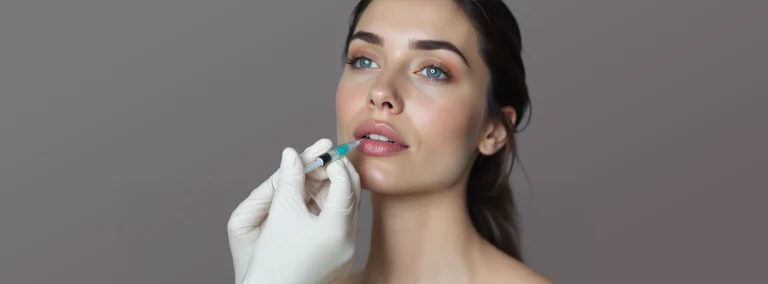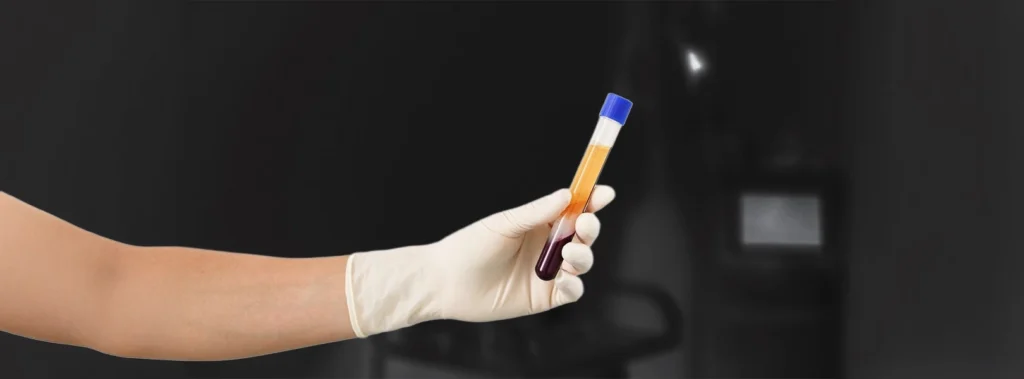
Platelet-rich plasma (PRP) treatment is a procedure that uses a concentrated portion of a patient's own blood to stimulate healing and rejuvenation in the skin, scalp, or other tissues. The process involves drawing a small amount of blood, separating the platelet-rich plasma through centrifugation, and injecting it into targeted areas to deliver growth factors that promote tissue repair.
- Platelet-rich plasma (PRP) treatment is a procedure that uses a concentrated portion of a patient's own blood to stimulate healing and rejuvenation in the skin, scalp, or other tissues.
- The process involves drawing a small amount of blood, separating the platelet-rich plasma through centrifugation, and injecting it into targeted areas to deliver growth factors that promote tissue repair.
- While generally safe because it uses the patient's own blood, rare side effects can include infection, nerve damage, pain at the injection site, bleeding, and tissue damage.
- PRP is typically administered in a series of 3 to 4 sessions spaced 2 to 3 weeks apart, with maintenance treatments recommended every 6 to 12 months for lasting results.
- Individuals who are pregnant, have blood clotting disorders, platelet abnormalities, or a history of cancer should consult a doctor, as PRP treatment is not recommended for them.
What is PRP treatment (Platelet Rich Plasma)?
In recent years, platelet-rich plasma (PRP) is an abbreviation for treatments developed for skin rejuvenation.
PRP treatment involves taking 10-20 cc of blood from the patient, processing it, and then reinjecting it into the areas to be treated. In PRP, the blood is subjected to a special process (centrifugation). As a result of this process, the plasma is separated and reinjected into the treatment areas. This plasma contains a large amount of cells called platelets (thrombocytes). The main function of platelets (thrombocytes) is to ensure blood clotting. The concentration of platelets (thrombocytes) in the serum obtained through the PRP method is 2-3 times higher than in blood, and the growth factors within these platelets (thrombocytes) play an important role in skin healing, repair, regeneration, and wound healing.
Many factors, from sun exposure and smoking to pregnancy, stressful lifestyles, and unbalanced nutrition, damage the skin and cause premature signs of aging. When our tissues are damaged, our blood collects clotting cells in that tissue to initiate a repair process. The aim of PRP treatment is to deliver growth factors from platelets (thrombocytes) to the target tissue in much larger numbers than can be transported through blood circulation. Thus, the repair of the target tissue begins rapidly and strongly under the influence of these growth factors.
What precautions should be taken before PRP treatment?
One week prior to the procedure, discontinue use of blood-thinning medications such as Vitamin E, Vitamin A, Ginkgo, garlic, fish oil capsules, flaxseed, fatty acids, and multivitamin tablets. Additionally, inform your doctor if you are taking any regular medications such as anticoagulants or blood pressure medication. Avoid excessive sun and heat before PRP treatment. Stop consuming alcohol and cigarettes a few days before the procedure. If the procedure is to be performed under sedation anesthesia, fast for at least six hours prior.
What are the benefits of PRP treatment?
PRP therapy is used in various areas of the body. Because it is a procedure performed using the patient’s own blood, it is a very natural and reliable method. PRP aims to stimulate and activate the body’s own repair mechanisms, promoting self-healing.
PRP therapy has many positive effects on the body.
- It gives the skin elasticity and shine.
- It prevents hair loss and revitalizes hair.
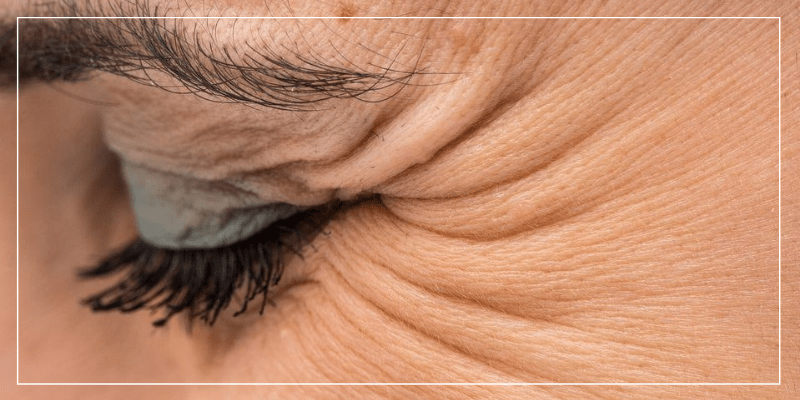
- It reduces wrinkles and prevents volume loss.
- It reconstructs skin in cases of skin damage such as wounds and cracks.
- It enables rapid skin regeneration after procedures such as laser treatments.
- It reduces signs of aging in areas such as the face, hands and arms, inner thighs, neck, and décolleté.
Are there any side effects of PRP treatment?
Because it is a natural method, it is quite reliable and has no side effects. However, it is very important that the blood taken from the person is processed in a sterile environment. Therefore, when choosing a doctor, it is necessary that they are an expert and experienced, as well as that the place where they work is sterile. Although rare, infection, nerve damage, pain at the injection site, bleeding, and tissue damage may occur as a result of the injection.
What are the uses of PRP therapy and in which areas is it applied?
PRP therapy, which involves using cells called platelets (thrombocytes) in the blood, is frequently used in the medical field for many purposes. The main ones can be listed as follows:
- Increasing skin elasticity.
- Skin regeneration
- Wrinkle reduction and skin regeneration.
- Eliminating sagging skin
- Hair treatment
- Treatment of diabetic patients
- Relief of pain associated with varicose veins.
- Healing of tendon, nerve, and bone injuries.
- Accelerating healing after dental implants.
- Treatment of lumbar and cervical disc herniation
- Treatment of osteoarthritis in the knee
- Meniscus treatment
- PRP therapy is preferred for the treatment of heel spurs.
How is PRP applied to the scalp?
PRP, obtained from the patient’s own blood, is applied to the scalp using special injections. Hair PRP is generally performed in 3 sessions with 2-3 week intervals. However, the frequency of sessions may vary depending on the current condition of the hair and scalp.
Benefits of Hair PRP
This treatment aims to revitalize the aging scalp and stimulate hair regrowth in that area. Hair PRP helps nourish hair follicles, resulting in higher quality, fuller, thicker hair. Hair PRP yields successful results, especially in individuals genetically predisposed to hair loss. Performing hair PRP after a hair transplant also increases the success of the outcome.
For detailed information on PRP application and treatment to restore hair vitality, please refer to the article prepared for you by Prof. Dr. Şükrü Yazar.video linkYou can learn by watching.
How is PRP treatment performed?
For PRP treatment, a small amount of blood, such as 10-20 cc, is taken from the patient’s arm. This blood is centrifuged at a high speed of around 3000 RPM for 10 minutes. The plasma portion, rich in platelets (thrombocytes) and growth factors, is then extracted. This mixture is injected into designated areas of the skin using a very fine PRP needle. This increases collagen and elastin production, naturally improving and rejuvenating the skin. To achieve good results, 3-4 sessions are required at 2-3 week intervals. Renewal may be necessary depending on the situation.
After treatment, the patient can immediately return to their daily life. There is no need to take time off from work or school, or to rest at home. During treatment, the patient should avoid sunlight and tanning beds. For PRP applied to hair, the patient should not shower on the first day, and afterward, pH-balanced products compatible with the skin should be used. Blood-thinning medications should not be used for one week after PRP treatment, and smoking and alcohol consumption should be avoided as they can shorten the healing process.
Mild bruising and redness may occur for a few days after the procedure. These will disappear shortly. Since it uses the patient’s own blood, it is completely natural and does not cause any allergic reactions. Those who undergo PRP treatment may experience very mild pain in the injection area for a day or two. Heavy activities should be avoided for approximately one to two weeks.
When will the results of PRP treatment be visible?
After PRP treatment, a healthy glow begins to appear on the skin. The effect becomes more noticeable, especially after the 3rd or 4th application. However, for lasting results, at least 3-4 injection sessions are required at intervals of 2-3 weeks. After that, the permanence of the results is maintained with applications every 6 or 12 months.
Can PRP be used in combination with other skin rejuvenation methods?
PRP therapy can be applied in combination with stem cell treatments, mesotherapy, laser, or radiofrequency methods. Especially after these treatments, using PRP in serum form enhances the effect of the applied method and accelerates the healing process.
Who is a suitable candidate for PRP treatment?
PRP therapy can be applied to people of all ages. However;
- Pregnant women
- Those with blood clotting problems
- Those with problems in platelet count or function
- PRP treatment is not recommended for individuals with cancer or for areas that have undergone cancer treatment.
Are PRP and stem cell treatments the same method?
PRP is a treatment that involves injecting serum obtained from blood, while stem cells are obtained by isolating them from fat tissue. PRP promotes the arrival of new stem cells to the treated area and increases the effectiveness of these stem cells. PRP accelerates healing and repair in the skin while protecting healthy skin tissue. Stem cell therapy, on the other hand, enables the formation of new and healthy cells, thereby healing and renewing skin tissue. In certain cases, stem cell and PRP treatments can be applied simultaneously to achieve more satisfactory results.
How much do PRP treatments cost in 2022?
“PRP prices”, “PRP prices 2022”, and “PRP treatment prices” are among the frequently asked questions by patients planning this procedure. Numerous factors determine the cost of the procedure. The patient’s general condition, the hospital or clinic where the procedure is performed, and your doctor’s knowledge, skill, and experience are some of these factors. You can obtain the most accurate information about PRP prices from your doctor during your examination.
Note: It is prohibited by law and circulars for institutions approved by the Turkish Ministry of Health (hospitals, treatment centers, and aesthetic clinics, etc.) to list prices on their websites. ☏ +90 212 257 1515 ✆ +90 541 334 348You can obtain information about PRP treatment, such as PRP prices and application processes, by calling the 4 phone numbers provided, contacting the live support line during their online sessions, or emailing info@sukruyazar.com to ask our patient advisors any questions you may have.
Instagram posts:
The information here is for guidance only and does not replace examination, diagnosis or treatment.