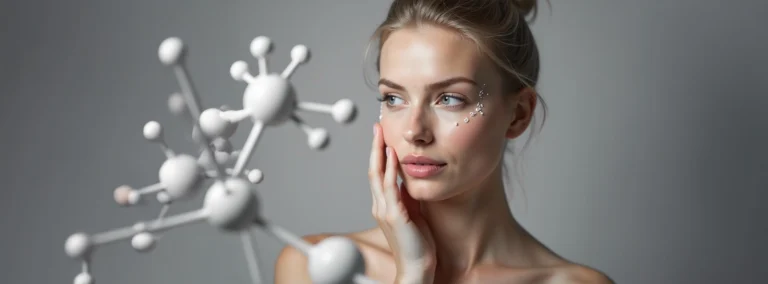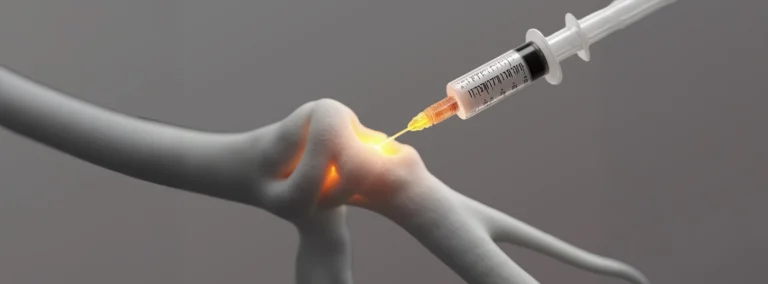
Fibroblast therapy is a procedure that uses a patient's own skin cells, typically taken from behind the ear, to stimulate collagen and elastin production. These cells are multiplied in a laboratory and then injected into targeted areas to address signs of aging, scars, or tissue damage.
- Fibroblast therapy is a procedure that uses a patient's own skin cells, typically taken from behind the ear, to stimulate collagen and elastin production.
- These cells are multiplied in a laboratory and then injected into targeted areas to address signs of aging, scars, or tissue damage.
- Because the treatment uses the patient's own cells, allergic reactions are uncommon, though temporary redness, swelling, or bruising may occur at the injection site.
- The procedure typically involves three sessions, with noticeable improvements generally appearing after the second session and effects lasting for approximately four to five years.
- While the treatment is often most effective for anti-aging in a person's 30s and 40s, it can be used at any age to treat scars, acne marks, or chronic wounds.
What is Fibroblast Therapy?
Fibroblast therapy is a procedure where fibroblast cells taken from the patient’s own skin behind the ear are processed under appropriate conditions, multiplied, and then reapplied to the patient. Fibroblast therapy is frequently preferred because it is an effective anti-aging method that reverses the effects of time.
As we age, skin wrinkles and sags due to wear and tear and loss of elasticity. This makes both women and men unhappy. To prevent these signs of aging, which occur due to decreased collagen and elastin production in cells, the miraculous method is fibroblast therapy. With this method, fibroblast cells taken from the patient’s own skin behind the ear are processed under appropriate conditions and then transplanted to the problematic areas, allowing the tissues to regain their former vitality.
What are the purposes of fibroblast therapy?
Fibroblast stem cell therapy is used in many areas of medicine for various reasons. Commonly used areas include:
- In preventing hair loss,
- In the treatment of skin cracks,
- In facial rejuvenation applications that can be performed with mesotherapy,
- In the removal of scars left after conditions such as acne or chickenpox,
- In the removal of burn scars,
- In the removal of permanent scars resulting from any surgical operation,
- In the treatment of chronic wounds that do not heal,
- In the treatment of facial wrinkles,
In lip augmentation
Why is Fibroblast Therapy Preferred?
Fibroblasts, the main component of connective tissue, increase the production of collagen protein, which is effective in wound healing. This helps repair existing skin damage and prevents new damage from occurring. Therefore, fibroblast therapy has many positive effects. The main ones can be listed as follows:
- It provides a natural look.
- It is non-toxic.
- It is safe. It does not involve any risks.
- It has no effects that could cause cancer.
- Because it is taken from the person themselves, it does not cause any allergic reactions.It increases the number of elastin-producing cells, thus improving skin elasticity and preventing sagging.
- It is only effective at the injection site. It does not function in other areas.
Fibroblast treatment is generally preferred to repair tissue loss that occurs during birth or in accidents, and to aesthetically correct wrinkles that come with aging.
How is fibroblast treatment performed?
Before fibroblast cell therapy, a pea-sized piece of tissue is taken from behind the patient’s ear, under the arm, or in the groin area. Local anesthesia is applied to the area from which the tissue will be taken. Anesthetic cream may also be used depending on the doctor’s preference. The tissue, taken in a sterile environment, is sent to a fully equipped laboratory for processing under aseptic conditions using a cold chain.
After approximately one month, the tissue reaches the desired cell density and is returned to the doctor in a sterile, cold chain manner for application. The multiplied cells are injected into the designated areas. Treatment usually requires 3 sessions, with 20 to 40 million fibroblast cells injected in each session. Thus, approximately 100 million fibroblast cells are delivered to the patient’s skin at the end of the treatment. While results vary from person to person, they generally begin to be seen after the second session. However, some patients see effects immediately after the first session. The effect of the treatment increases over a period of 12 months and then continues to be effective for approximately 5 years.
Fibroblast Therapy Frequently Asked Questions
The most frequently asked questions about aesthetic procedures before, during, and after.
What are the prices for fibroblast (stem cell) therapy?
It is illegal for aesthetic centers and clinics approved by the Turkish Ministry of Health to list the prices of fibroblast (stem cell) treatment on their websites, and aesthetic clinics that do not comply with this rule are subject to penalties. Furthermore, in order for Professor Dr. Şükrü Yazar, a specialist in Aesthetic, Plastic, and Reconstructive Surgery, to provide accurate information regarding the cost of fibroblast treatment, he must examine the patient, analyze their current health condition, and evaluate their complaints and expectations.
☏ +90 212 257 1515 ✆ +90 541 334 3484 You can obtain information by calling the phone numbers or using the live support line and asking patient advisors questions such as “How much do fibroblast treatments cost, what do we need to do for the procedures, and how do the processes proceed?” etc., and you can indicate that you want to discuss fibroblast treatment procedures with a specialist doctor. You can request an appointment..
What are the side effects of fibroblast therapy?
Fibroblast therapy uses cells taken from the patient themselves, so there are almost no side effects. Temporary redness, swelling, bruising, or itching may occur depending on the individual’s sensitivity. These conditions usually disappear on their own within a day or two. Because it is natural, allergic reactions are not common.
When will the effects of fibroblast treatment be seen?
After the injection, the cells settle into their places and begin producing elastin and collagen. Therefore, it is not possible to see the effect immediately. However, a noticeable improvement will occur after the second injection. This improvement becomes more pronounced, especially after 4 to 6 weeks.
How effective is fibroblast therapy?
The effects of fibroblast therapy last at least 4 to 5 years. If the increased number of fibroblast cells is sufficient and they are stored under the necessary conditions, the procedure can be repeated after 4 or 5 years.
Who is a suitable candidate for fibroblast therapy?
The 30s and 40s are the ideal age for fibroblast treatment because this is the period when the results are most effective. Treatment can be performed at later ages, but it will take longer for results to become apparent. However, if the treatment aims to address damage caused by acne, scars, or infections, there is no age limit, and it can be applied to any patient.
Instagram Posts
The information here is for guidance only and does not replace examination, diagnosis or treatment.