TREATMENTS
Face Aesthetics
Facial, nasal, eye, neck, jaw and ear aesthetic procedures.

Quick enquiry
Enquire about Face Aesthetics
Fill in the short form and our team will call you the same day.
Same-day reply · Your details stay private
 Chin Augmentation
 Chin Implant
 Chin Reduction
 Chin Tip Contouring
 Earlobe Reduction
 Eyelid Surgery
 Facelift
 Facial Fat Injection
 Facial Implants
 Functional Nose Surgery
 Jowl / Double Chin Aesthetics
 Nasal Tip Aesthetics
 Neck Lift
 Nose Filing
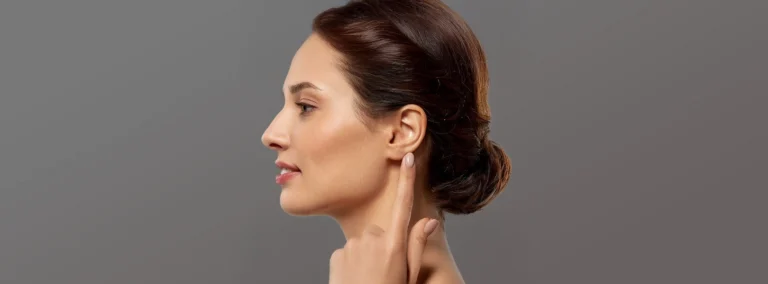 Prominent Ear Aesthetics
 Revision Nose Surgery
Rhinoplasty
Revision Nose Surgery
Rhinoplasty
 Under-Eye Bags
No treatments in this area.
Face aesthetics includes surgery of the nose, eyelids, face and neck, chin and ears. The aim is a more balanced look within the face’s own proportions — and, when needed, to protect function such as breathing.
The same complaint can come from different structures; the same procedure also looks different on two faces. The right start is not a ready-made package, but examination and assessment. At the Nişantaşı clinic, Prof. Dr. Şükrü Yazar builds the plan around the person.
Which facial procedures are there?
The face is not a single operation. The nasal bridge and tip, the eye area, midface, jawline, neck and ears affect one another. In practice, “face aesthetics” means these regions can be assessed together and the right one chosen for you.
The cards above are the main facial procedures planned in the clinic. A card does not explain the full technique; detail sits on the treatment page. This article explains how a decision is made — and when a procedure is not offered.
Main areas, in brief
Every face is different; still, knowing the regions at a high level makes the choice easier.
- NoseShape and, when needed, the airway are addressed together. Tip work, filing, functional surgery and revision are planned separately.
- Around the eyesEyelids and under-eye bags change a tired look; the visual field is assessed as well.
- Face and neckLifting procedures are considered for lax tissue and the jawline.
- Chin and volumeTargets profile and midface balance.
- EarsCompletes the side contour of the face.
How is the decision made?
A sound plan does not jump to an operation. First come the complaint, medical history, skin thickness, cartilage and bone support, breathing and facial proportions. Then realistic options are discussed — each with its benefit, limit and recovery. The plan is agreed together; a follow-up calendar is set afterwards.
This order reduces both insufficient and unnecessary work. Surgery is offered only when it is the most suitable path for that face. If a non-surgical approach is better, or waiting is better, that is said plainly.
Surgery and more limited options
Some changes only settle into lasting structure with surgery; some lines can be softened for a time with filler or botulinum toxin. Open or closed rhinoplasty, a deep-plane facelift or eyelids alone depend on anatomy. The “newest method” is not assumed; the method that fits your structure is explained.
Small volume differences on the face can be completed with fat injection. That does not replace a lift or rhinoplasty; it can support them. The limit is discussed at examination.
A plan for the person
The same dorsal hump on two people is a different operation if skin and cartilage differ. Thick skin limits tip definition; weak support may need grafts. On a male and a female face the target is also not the same “template nose”; identity is kept.
Prof. Dr. Şükrü Yazar builds the plan by looking at the face as a whole. Reducing the nose can bring the chin forward; eyelids can sit more naturally with the neck. Procedures are therefore read as a face, not one by one.
How does the process work?
First contact is usually a short summary and, if you have them, previous investigations. An online preview may be followed by an in-person examination. At examination, photographs and findings are used to discuss options.
The decision is yours. On the day, anaesthesia and the surgical team carry out the procedure; after discharge, care and review appointments are clear. For patients travelling from abroad, remote follow-up is arranged within the clinic’s existing workflow.
A second opinion
Facial surgery leaves lasting shape and scars. If a plan was made elsewhere, or you are considering revision, a second opinion is ordinary. The aim is not to rubber-stamp; it is to read the diagnosis and options independently. Photographs and previous operative notes make a remote preview easier; the final decision still depends on examination.
Safety, recovery and follow-up
The result is not only the incision technique. Preparation, anaesthesia, a sterile setting and aftercare determine the outcome. Swelling and bruising vary by procedure; the face — and the nasal tip in particular — settles over months. An early “final shape” expectation is misleading.
Reviews should not be skipped. Shortness of breath, rising pain, redness or unexpected swelling should be reported to the team. Smoking and blood thinners are stopped as directed; otherwise wound healing weakens.
When is a procedure not done?
Good care is not always the largest operation. If the expectation exceeds anatomy, body image is unsettled, or there is active infection or uncontrolled illness, the procedure is deferred. After revision rhinoplasty, waiting for tissues to mature is often right.
When surgery is not offered, the reason, what will be watched, and what would change the plan are explained. That is part of reliability.
Comparing options
On many faces more than one reasonable path exists. Comparison sets likely benefit, scars, recovery time and return to daily life side by side. The physician’s job is not to impose a single route, but to explain why one is recommended. If a non-surgical alternative exists, ask for it.
A written plan — which procedure, which rationale, which recovery — makes the comparison concrete. A rushed decision, especially in revision, can create a new problem.
This page is for general information only. It is not a diagnosis, a treatment recommendation, or a personalised plan. Which procedure is appropriate for you is decided after a qualified physician examines you.
Face aesthetics includes surgery of the nose, eyelids, face and neck, chin and ears. The aim is a more balanced look within the face’s own proportions — and, when needed, to protect function such as breathing.
The same complaint can come from different structures; the same procedure also looks different on two faces. The right start is not a ready-made package, but examination and assessment. At the Nişantaşı clinic, Prof. Dr. Şükrü Yazar builds the plan around the person.
Which facial procedures are there?
The face is not a single operation. The nasal bridge and tip, the eye area, midface, jawline, neck and ears affect one another. In practice, “face aesthetics” means these regions can be assessed together and the right one chosen for you.
The cards above are the main facial procedures planned in the clinic. A card does not explain the full technique; detail sits on the treatment page. This article explains how a decision is made — and when a procedure is not offered.
Main areas, in brief
Every face is different; still, knowing the regions at a high level makes the choice easier.
- NoseShape and, when needed, the airway are addressed together. Tip work, filing, functional surgery and revision are planned separately.
- Around the eyesEyelids and under-eye bags change a tired look; the visual field is assessed as well.
- Face and neckLifting procedures are considered for lax tissue and the jawline.
- Chin and volumeTargets profile and midface balance.
- EarsCompletes the side contour of the face.
How is the decision made?
A sound plan does not jump to an operation. First come the complaint, medical history, skin thickness, cartilage and bone support, breathing and facial proportions. Then realistic options are discussed — each with its benefit, limit and recovery. The plan is agreed together; a follow-up calendar is set afterwards.
This order reduces both insufficient and unnecessary work. Surgery is offered only when it is the most suitable path for that face. If a non-surgical approach is better, or waiting is better, that is said plainly.
Surgery and more limited options
Some changes only settle into lasting structure with surgery; some lines can be softened for a time with filler or botulinum toxin. Open or closed rhinoplasty, a deep-plane facelift or eyelids alone depend on anatomy. The “newest method” is not assumed; the method that fits your structure is explained.
Small volume differences on the face can be completed with fat injection. That does not replace a lift or rhinoplasty; it can support them. The limit is discussed at examination.
A plan for the person
The same dorsal hump on two people is a different operation if skin and cartilage differ. Thick skin limits tip definition; weak support may need grafts. On a male and a female face the target is also not the same “template nose”; identity is kept.
Prof. Dr. Şükrü Yazar builds the plan by looking at the face as a whole. Reducing the nose can bring the chin forward; eyelids can sit more naturally with the neck. Procedures are therefore read as a face, not one by one.
How does the process work?
First contact is usually a short summary and, if you have them, previous investigations. An online preview may be followed by an in-person examination. At examination, photographs and findings are used to discuss options.
The decision is yours. On the day, anaesthesia and the surgical team carry out the procedure; after discharge, care and review appointments are clear. For patients travelling from abroad, remote follow-up is arranged within the clinic’s existing workflow.
A second opinion
Facial surgery leaves lasting shape and scars. If a plan was made elsewhere, or you are considering revision, a second opinion is ordinary. The aim is not to rubber-stamp; it is to read the diagnosis and options independently. Photographs and previous operative notes make a remote preview easier; the final decision still depends on examination.
Safety, recovery and follow-up
The result is not only the incision technique. Preparation, anaesthesia, a sterile setting and aftercare determine the outcome. Swelling and bruising vary by procedure; the face — and the nasal tip in particular — settles over months. An early “final shape” expectation is misleading.
Reviews should not be skipped. Shortness of breath, rising pain, redness or unexpected swelling should be reported to the team. Smoking and blood thinners are stopped as directed; otherwise wound healing weakens.
When is a procedure not done?
Good care is not always the largest operation. If the expectation exceeds anatomy, body image is unsettled, or there is active infection or uncontrolled illness, the procedure is deferred. After revision rhinoplasty, waiting for tissues to mature is often right.
When surgery is not offered, the reason, what will be watched, and what would change the plan are explained. That is part of reliability.
Comparing options
On many faces more than one reasonable path exists. Comparison sets likely benefit, scars, recovery time and return to daily life side by side. The physician’s job is not to impose a single route, but to explain why one is recommended. If a non-surgical alternative exists, ask for it.
A written plan — which procedure, which rationale, which recovery — makes the comparison concrete. A rushed decision, especially in revision, can create a new problem.
This page is for general information only. It is not a diagnosis, a treatment recommendation, or a personalised plan. Which procedure is appropriate for you is decided after a qualified physician examines you.