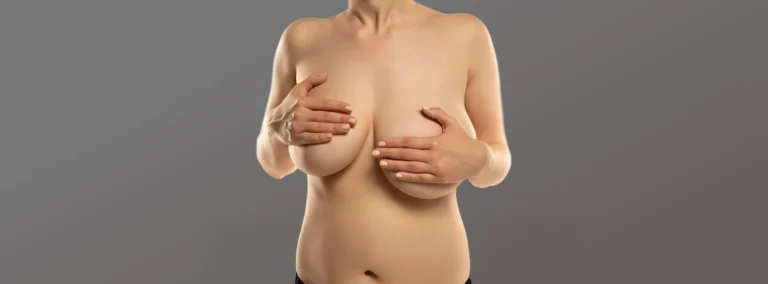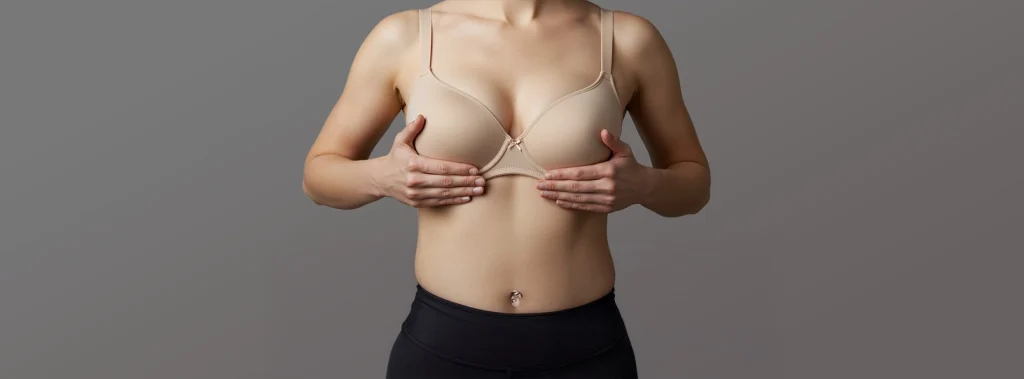
Breast sagging is a deformation that occurs when the mammary glands, adipose tissue, and the ligaments holding the breast to the chest muscles loosen and elongate. While exercises, proper bra selection, and skin care can help maintain breast form, breast lift surgery is the most effective and permanent solution for significant sagging.
- Breast sagging is a deformation that occurs when the mammary glands, adipose tissue, and the ligaments holding the breast to the chest muscles loosen and elongate.
- While exercises, proper bra selection, and skin care can help maintain breast form, breast lift surgery is the most effective and permanent solution for significant sagging.
- Factors contributing to breast sagging include aging, gravity, hormonal changes, pregnancy, weight fluctuations, smoking, and poor posture.
- A simple pencil test, where a pencil is placed under the breast, can help determine if sagging has occurred.
- If you are concerned about breast sagging or asymmetry, consult a plastic surgeon to discuss surgical options like a breast lift or implants.
Breast sagging, known in medical terms as breast ptosis, means that the breast tissue and the nipple have moved down on the chest wall. It is a common change that follows ageing, pregnancy and weight change, and it does not by itself indicate a breast health problem. The degree of sagging, the breast volume and the skin quality decide which treatment, if any, makes sense: from no treatment at all, to an implant or fat transfer, to a breast lift.
What does breast sagging mean?
Breast sagging means that the breast tissue and the nipple sit lower on the chest than they once did. The reference point is the inframammary fold, the crease where the lower edge of the breast meets the chest wall. When ptosis is present, the nipple lies at or below this crease, most of the breast volume gathers in the lower half, and the upper part of the breast looks flatter or emptier.
The change develops as the skin envelope and the internal fibrous supports of the breast, often called Cooper ligaments, gradually stretch and lose elasticity. Because the breast contains glandular and fatty tissue rather than muscle, it depends on these structures for its position. Ptosis is an anatomical change rather than an illness, and it does not affect the function or the health of breast tissue.
How to tell if breasts are sagging: the pencil test and ptosis grades
The pencil test is a simple home check. A pencil is placed horizontally in the fold beneath the breast. If it falls, there is little or no sagging; if it stays in place, some degree of sagging is present. The test only shows that a fold has formed beneath the breast. It cannot measure how far the nipple has descended, so it cannot set a grade or tell which treatment is needed.
Surgeons grade sagging by where the nipple lies in relation to the fold:
- Grade 1 (mild): the nipple is roughly at the level of the fold.
- Grade 2 (moderate): the nipple is below the fold but still above the lowest part of the breast.
- Grade 3 (severe): the nipple is at the lowest point of the breast and points downward.
- Pseudoptosis (false sagging): the nipple stays above the fold, but the lower part of the breast hangs below it.
The distinction matters in planning, because pseudoptosis differs from true sagging in whether the nipple needs to be raised at all. At examination the grade is assessed together with skin elasticity, breast volume, the fullness of the lower pole and any difference between the two sides, and how the degree of sagging is assessed is the first step in deciding whether a lift is needed.

What causes sagging breasts?
Sagging develops when the skin and the internal supports of the breast stretch, so the tissue settles lower on the chest wall. Ageing reduces skin elasticity, larger and heavier breasts place more load on the skin and ligaments, and pregnancy enlarges the breast before it loses volume again. Substantial weight gain and loss have a similar stretching effect, smoking damages the elastic fibres of the skin, and inherited skin quality shapes how much support the tissue keeps.
A large study of women seeking breast surgery linked age, body mass index, the number of pregnancies, a larger cup size, smoking and significant weight loss to more sagging, while breastfeeding itself was not associated. A sudden marked change in one breast, a lump, nipple discharge or skin dimpling should be medically assessed rather than assumed to be ordinary sagging.
What can keep breasts firm and upright?
Some measures slow further change or improve how the breasts look and feel, but none of them raises a nipple that has already descended:
- Chest exercise: push-ups, chest presses and similar exercises strengthen the pectoral muscles beneath the breasts and improve posture, giving the upper chest a firmer base. The breast itself contains no muscle, so exercise cannot shorten stretched skin or ligaments.
- A well-fitted bra: it improves shape and comfort while it is worn, and a supportive sports bra reduces movement during running or jumping. There is no reliable evidence that everyday bra use prevents sagging in the long term.
- Stable weight and not smoking: these are the measures with the clearest link to less skin stretching over time, alongside sun protection for the neck and chest.
- Creams and massage: they keep the skin supple and comfortable, but they have not been shown to lift the breast.
What genuinely helps with preventing sagging breasts is therefore modest, and once sagging is established, surgery is the only way to lift the breast.
Which treatment suits which degree of sagging?
Breast sagging treatment is chosen according to the grade, skin quality, breast volume, the size the person would like and any asymmetry. As a general guide:
- Pseudoptosis or mild sagging with volume loss: when the breast has emptied rather than dropped, restoring volume may be enough. Breast augmentation with an implant fills the upper part of the breast, and a breast lift with fat transfer is an option for those who prefer not to have an implant.
- Grade 1 to 2 with reasonable volume: a breast lift (mastopexy) removes excess skin, reshapes the breast tissue and raises the nipple. Milder cases may need only an incision around the areola; most need a vertical scar as well, the so-called lollipop pattern.
- Grade 3 sagging: a lift with a longer incision is usually required, and the choice between lollipop or anchor breast lift scars depends on how much skin must be removed.
- Sagging with significant volume loss: a lift alone corrects position but not fullness, so a breast lift combined with implants is often planned to restore both in one operation.
- Large, heavy breasts: when weight drives the descent, breast reduction lifts and reduces at the same time, often relieving neck and shoulder strain as well.
- One breast sagging more than the other: breast asymmetry is planned separately for each side, which may mean a different technique on each breast.
There is no single technique that suits every anatomy, and the trade-offs deserve honest discussion: a lift leaves scars, an implant brings its own long-term considerations, and future pregnancy, weight change and ageing can continue to alter breast shape after any operation.
Breast sagging after pregnancy and weight loss
Pregnancy and major weight loss are the two most common reasons women seek treatment for sagging. After pregnancy, breasts after breastfeeding often show reduced volume, looser skin and a lower contour, and pseudoptosis is especially common at this stage. Surgery is usually planned once breastfeeding has ended and breast size has been stable for around six months, so that the result is not altered by further hormonal and volume changes.
When the abdomen has also changed, a breast lift is frequently combined with a tummy tuck as part of a mommy makeover. After major weight loss, the skin envelope is often very loose and the breast deflated, so a lift with an implant or with the patient’s own tissue is more commonly needed than after pregnancy. In both situations, a stable weight for several months before surgery gives a more predictable result.
Breast lift surgery and recovery: what to expect
A breast lift is usually carried out under general anaesthesia and takes around two to three hours, longer when an implant or reduction is added. Many patients go home the same day or the following day. Most return to desk-based work after about five to seven days, while physically demanding jobs and regular sport usually need one to two weeks before a gradual return, with heavy lifting and high-impact exercise reintroduced later.
Swelling, bruising and tenderness are usual in the early weeks, and a supportive surgical bra is worn day and night while the breast settles into its new shape. Nipple sensation may change for some months before gradually improving. Scars are an expected part of the operation; they are red and firm at first, then soften and fade over the first year, although they remain visible on close inspection.
As with any surgery, complications are possible, including bleeding, infection, delayed healing, wound separation, unfavourable scarring, asymmetry, altered nipple or breast sensation, difficulty with future breastfeeding and the possible need for a revision procedure. Such problems are not inevitable, and postoperative instructions are individualised by the operating surgeon.
How long do the results of a breast lift last?
A breast lift raises the breast to a higher position, but it does not stop the natural ageing of skin and tissue. Most women keep a clearly better shape for many years, and the nipple usually stays higher than it was before surgery. Some gradual settling is expected over time, and pregnancy or a large change in weight can bring back a degree of sagging. Questions about how long a breast lift lasts are often linked to the choice of an implant, since a heavy implant can add load to the lifted breast over the years.
Whether any of these options is suitable, and which technique fits the anatomy, is determined by an examination and breast assessment carried out by Prof. Dr. Şükrü Yazar.
Breast sagging treatment in Istanbul: planning the stay
Patients travelling for treatment of sagging breasts usually plan a stay of about seven to ten days. This allows an in-person examination and markings a day or two before surgery, the operation with one night in hospital, and a wound check before the flight home. Photographs of the breasts from the front and side, together with any previous operation notes and breast imaging, allow a provisional plan before travel, with the final decision made at the examination.
Questions about who a breast lift in Turkey suits, and whether an implant is needed, are usually settled during that first consultation.
Questions patients ask about breast sagging
Can sagging breasts become firm again without surgery?
Exercise, posture work, a stable weight and supportive bras may improve comfort or the impression of support, but they do not reposition a lowered nipple or remove excess skin. Once sagging is established, a breast lift is the only way to raise the breast.
What is pseudoptosis of the breast?
Pseudoptosis means the nipple remains above the inframammary fold while the lower portion of the breast hangs below it. It often follows pregnancy and volume loss, and it can sometimes be corrected with a smaller operation than a full breast lift.
Is the pencil test accurate for breast sagging?
The pencil test shows that a fold exists beneath the breast, but it cannot establish the grade of sagging. Nipple position, breast volume, skin quality and asymmetry need clinical assessment.
Can an implant alone fix sagging breasts?
Only when the sagging is mild or the breast is mainly deflated, as in pseudoptosis. When the nipple sits clearly below the fold, an implant alone tends to sit too high behind a breast that still hangs, and a lift is needed as well.
Does a bra prevent breast sagging?
A well-fitted bra supports the breasts and reduces discomfort during movement, particularly during sport. Current evidence does not show that everyday bra use prevents long-term sagging.
Can one breast sag more than the other?
Yes. Mild asymmetry is common, while a more noticeable difference is assessed individually, because each breast can differ in volume, skin quality and nipple position.
How is breast sagging in men treated?
In men, a sagging chest contour may be related to gynaecomastia, excess skin after weight loss, or both. Treatment may involve liposuction, removal of glandular tissue, skin excision or a combination, depending on the anatomy.
References
- Breast Lift — American Society of Plastic Surgeons
- The effect of breastfeeding on breast aesthetics — Aesthetic Surgery Journal (2008)
- Breast ptosis: causes and cure — Annals of Plastic Surgery (2010)
- Breast ptosis: definition and treatment — Clinics in Plastic Surgery (1976)
Professor Şükrü Yazar, Consultant Plastic, Reconstructive and Aesthetic Surgeon and former head of the breast working group of the Turkish Society of Plastic, Reconstructive and Aesthetic Surgery, assesses breast sagging and performs breast lift surgery at his practice in Nişantaşı, Istanbul.
The information here is for guidance only and does not replace examination, diagnosis or treatment.