Mohs surgery is a tissue-sparing method that involves checking each layer of skin on the same day to ensure all cancer is removed. Traditional excision removes the tumor and some healthy skin at once, making it a reliable choice for larger or more aggressive growths.
- Mohs surgery is a tissue-sparing method that involves checking each layer of skin on the same day to ensure all cancer is removed.
- Traditional excision removes the tumor and some healthy skin at once, making it a reliable choice for larger or more aggressive growths.
- Mohs surgery often has lower recurrence rates and is highly effective for treating basal cell carcinoma in sensitive areas.
- Proper aftercare, including gentle wound cleaning, sun protection, and a healthy diet, is essential for optimal healing and recovery.
- Patients should seek a second opinion if they feel unsure about their diagnosis or treatment plan, and regular follow-up check-ups are crucial for long-term health.
When facing skin cancer, many people are unsure about treatment. Mohs surgery is a method that saves healthy tissue. It’s a tissue-sparing approach. On the other hand, traditional excision is a tried-and-true method for dealing with basal and squamous cell carcinoma. In the United States, dermatologists are making progress in skin cancer treatment. They offer Mohs surgery for its detailed margin checks. Traditional excision is also popular for those who prefer a simple solution. Both options help patients make informed decisions with the guidance of a specialist.
Understanding the Rise of Skin Cancer Treatment
In recent years, we’ve learned more about the dangers of UV rays and genetics. This knowledge has changed how doctors treat skin cancer. Public health campaigns push for using sunscreen and regular check-ups. Hospitals and clinics now offer more help. This makes it easier for people to find answers and support.
Research and education have made a big difference. Early detection leads to better results. This focus on skin cancer treatment encourages people to be proactive and share their experiences. New dermatologic procedures have made treatments better and less scary. Tools can spot skin changes early, and new treatments heal faster with less pain. Advanced care is now more available everywhere, thanks to dedicated healthcare teams.
What Is Traditional Excision?
Surgeons remove cancer cells and some healthy skin during a traditional excision. This method stops tumours from coming back. It also helps patients feel better about the scars. Planning is key to keep damage low and improve looks. Dermatologic surgery experts often use it for big or complex growths.
This method is good for aggressive growths on the torso or other areas. Places like Mayo Clinic trust it for big tumours. Surgeons check each layer to make sure all cancer is gone. They plan each cut carefully to ease worries. This surgery is a reliable choice for many looking for a lasting fix.
Exploring Dermatologic Surgery Options
Curettage and electrodessication are methods that scrape and cauterise specific areas. This helps avoid harming healthy tissue. Laser treatments target superficial lesions, providing a precise solution for smaller spots. Each method is chosen based on the patient’s needs, focusing on comfort, healing time, and appearance. Surgical excision removes suspicious growths completely. The method used depends on the size and depth of the tumour. It’s often recommended when a safe margin is needed. This approach aims to keep function and appearance intact, even in sensitive areas like the face.
Talking openly with a trusted medical team builds confidence in one’s choice. They discuss risks, recovery, and the chance of the growth coming back. Deciding between robotic methods, curettage, or surgical excision is a team effort. It’s about understanding each person’s goals and situation. This teamwork brings reassurance and hope during treatment.
Surgical Excision Techniques for Skin Cancer Removal
Many surgeons use advanced tools and new suturing methods for skin cancer removal. They aim to remove the tumour while keeping healthy tissue. At places like the Mayo Clinic, they focus on precise margins for better looks. Patients might worry about how they’ll look after surgery. But, skilled teams quickly reassure them, making them feel more comfortable before the treatment.
It’s important to talk about the emotional side of surgery. Some clinics even invite partners or friends to appointments for support. Hearing from others who have gone through it can boost confidence in the surgery’s success. Every step is taken to ensure not just the removal of skin cancer, but also to build trust and comfort. This approach gives hope to every patient.
Why Choose Mohs Surgery for Effective Skin Cancer Treatment
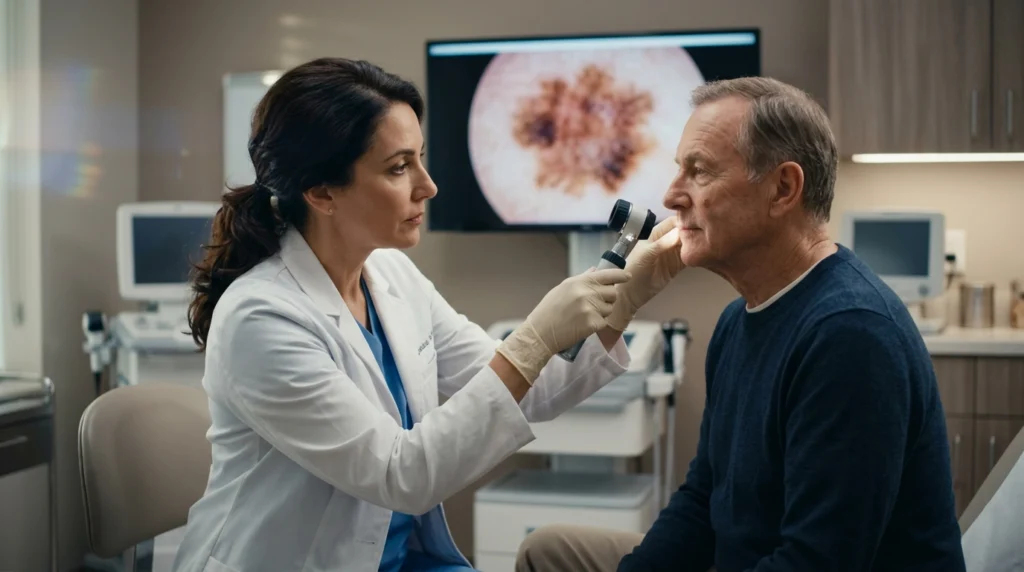
Mohs surgery is a precise method that saves healthy skin. It’s great for tricky growths in sensitive spots. A skilled skin cancer specialist checks each layer on the same day, ensuring all cancer is removed.
This method has high success rates and uses less tissue. Experts at top hospitals focus on basal and squamous cell cancers. They aim to keep as much healthy skin as they can. Knowing cancer cells are caught right away can be comforting. A caring specialist helps you through every step. This way, you can feel more confident and have less scarring.
Comparing Recurrence Rates and Post-Operative Recovery
Mohs surgery often shows better results than standard excision. Many patients see less need for repeat surgeries. The American Academy of Dermatology says careful mapping and quick analysis help remove tumours fully. This method is seen as very effective for treating basal cell carcinoma. It gives people hope during a tough time.
Standard excision might have a slightly higher risk of tumour coming back. How well you recover depends on your health, the depth of the lesion, and where it is. Some people share stories of healing, showing the importance of support networks. After surgery, caring for the wound and regular check-ups are key. Scars usually heal with little pain, bringing relief. With the right care and advice, recovery is strong, and the risk of recurrence is lower.
Role of the Skin Cancer Specialist in Treatment Success
A dedicated specialist helps patients make big decisions that go beyond surgery. They use their deep knowledge from years of practice and research. This includes understanding squamous cell carcinoma surgery well. They work with oncologists, plastic surgeons, and radiotherapists to create a plan just for you. This team effort ensures a care plan that covers all aspects of your health.
They bring compassion to their work, making tough news easier to handle. Patients get clear updates and support every step of the way. This approach ensures your care is thorough, touching on physical, mental, and emotional health. They also help with insurance and set achievable recovery goals. They listen, offer comfort, and guide you to the best treatment. This builds trust and gives you hope for a better future.
Potential Risks and Complications of Dermatologic Surgery
Any surgery can have unexpected issues. Bleeding and tenderness at the cut site are common. They often get better with good care. Infection is a risk, but quick action from experts can help. Swelling might happen but usually goes away quickly.
Some people face lasting effects like scarring or skin changes. These are rare but can affect how you feel about yourself. Talking to your doctor early can help find solutions and ease worries. Mohs surgery is known for its success. But, it’s important to stay alert and follow up. By watching for signs, caring for your wound, and keeping in touch with your doctor, you can have a smoother recovery.
Addressing Different Skin Cancer Types with Surgical Excision
Surgical excision is a strong method for treating basal cell carcinoma, squamous cell carcinoma, and melanoma. Each type of tumour grows differently and can spread into tissues in its own way. Doctors use pathology reports to decide how much tissue to remove, aiming to keep healthy skin intact.
Many patients start off worried about scars or side effects. But a clear diagnosis and detailed plan help them feel more confident. Basal cell carcinoma often responds well to early removal, while aggressive melanoma might need more extensive surgery. This approach tailors treatment to each person’s needs, improving both physical and emotional health. Learning that their medical team pays close attention to details beyond surgery brings relief to families. Support groups and follow-up visits help ease stress. They allow people to talk about healing challenges and celebrate their progress. This way, individuals feel empowered to ask questions and expect thorough care from their specialists.
Understanding Anaesthesia and Pain Management
Many people worry about pain during skin cancer removal procedures. This is true for dermatologic surgery, where being precise is key. Local anaesthesia can block pain in a specific area, making patients calm from the start. In some cases, deeper sedation or general anaesthesia is needed. Mohs operations can take longer, so doctors keep an eye on how patients feel. They adjust medications to keep discomfort low. To help, numbing creams and mild sedation are used.
Doctors make sure patients know about each anaesthesia option. They work together to find the best fit for each person. This way, patients feel more at ease during the surgery. If patients feel scared, they can ask for different sedation methods. This helps create a supportive space that respects everyone’s comfort. Talking openly makes the experience less stressful.
Working with Insurance and Healthcare Providers
Dealing with health insurance can be tough when you’re diagnosed with skin cancer. It’s key to understand your policy and what’s covered for surgical excision. This way, you can avoid unexpected costs. Big insurers like Aetna or Blue Cross Blue Shield might ask for approval before they cover it. So, make sure you know what they need to avoid any hassle later.
Keeping a folder with your insurance info, contact numbers, and bills can be a lifesaver. It makes talking about costs and what you owe easier. Plus, a case manager can help find ways to make treatment more affordable. Working closely with your healthcare team and insurance can speed up getting things approved. Being open and clear helps book your surgery quickly. This means you can get the care you need without delay. It’s all about making sure everyone is on the same page. This way, you can focus on getting better instead of dealing with paperwork.
Environmental and Lifestyle Factors Affecting Skin Cancer Removal
Environmental factors can affect how well skin cancer removal works. Too much sun or tanning beds can slow healing. Wearing sunscreen and hats can protect your skin. Experts say staying out of the sun helps your skin heal better. This is key for long-term health.
Eating well and quitting smoking boost your immune system. Foods like leafy greens and lean proteins help your body heal. Giving up smoking can also speed up healing and reduce problems. Combining healthy habits with medical care can boost confidence. It helps people feel positive about their skin cancer removal journey.
Optimising Recovery Through Proper Aftercare
After a procedure, the body needs time and care. Cleaning wounds gently and changing dressings helps prevent infection. A doctor’s advice on pain relief makes rest easier and speeds up healing. Eating well and staying hydrated is often advised by skin cancer specialists. Watching for signs like redness or swelling is important. Family support is key, helping with daily tasks and emotional needs.
Recovery is not just about the body but also the mind. Talking to counsellors or joining support groups can help. A skin cancer specialist can suggest holistic therapies for emotional well-being. With the right care, patients can recover well and feel stronger each day.
When to Seek a Second Opinion from a Skin Cancer Specialist
Some people feel unsure after hearing about a complex diagnosis, like skin cancer. They might wonder if the first plan is right. Getting a second opinion can clear up doubts, showing if the first plan is good or if there are better options.
Sharing worries about side effects, healing time, and life quality can help. Talking openly with a new doctor can ease fears. Patients can ask for lab results and images, making sure they have all the information. Getting advice from trusted groups, like the American Academy of Dermatology, can boost confidence. Different views lead to important talks. This helps patients make choices that feel right for them, showing the power of patient choice.
Looking at Long-Term Outcomes for Skin Cancer Removal
After surgery, many people see life in a new light. They might not face any issues and start regular check-ups. Dermatologists say it’s key to catch small changes early.
Using sunscreen daily helps prevent more damage. A bit of sunlight is okay, but too much is not. Regular visits help spot problems early and keep you informed about new treatments. Working closely with your doctor boosts your confidence. Making healthy choices and wearing protective clothes are important. It shows that many people live well after surgery, staying active and aware.
Taking the Next Step: Your Path Towards Healthier Skin
Every person’s path to better skin is different. Some learn about mohs surgery first. Others look at other options before deciding. Starting with a visit to a trusted specialist is a good idea. They can answer all your questions and guide you.
Be honest about your lifestyle, family history, and any skin changes. This helps doctors choose the best treatment for you. They aim for a safe and effective recovery. Following their advice and attending regular check-ups boosts your confidence. This care and support give you hope. With the right help, you can achieve healthier skin.