Plastic Surgery and Holidays refers to planning travel around elective aesthetic treatment in Turkey without treating recovery as a conventional vacation. A safe, realistic plan depends on the specific surgeon and facility, clear consent, flexible travel arrangements and follow-up care.
- Turkey’s role in aesthetic travel reflects medical-tourism infrastructure and regional accessibility, but each surgeon and facility requires individual verification.
- A surgery-related trip may include accommodation and limited local activities, yet recovery needs should take priority over a holiday itinerary.
- Sun exposure, swimming, strenuous excursions, alcohol, luggage handling and flight timing may require restrictions after an operation.
- Patients can assess a provider by checking the named surgeon’s qualifications, the treatment setting, consent arrangements and follow-up plan.
- Accreditation and destination popularity can be useful context, but neither guarantees an individual cosmetic surgery outcome.
Plastic Surgery and Holidays: The Secret of Plastic Surgery’s Success in Turkey is a topic that concerns travel planning as much as surgery itself. Turkey draws international aesthetic patients through an established medical-tourism infrastructure, yet a surgical trip is best organised around clinical care, verifiable credentials, clear communication and a follow-up plan suited to the individual.
Plastic Surgery and Holidays: The Secret of Plastic Surgery’s Success in Turkey
Turkey attracts international plastic surgery patients because it combines an established medical-tourism system with reasonable access from several regions, although the suitability of any clinic or surgeon must be assessed individually. Plastic surgery performed for appearance-related concerns is often called cosmetic or aesthetic surgery, while plastic and reconstructive surgery also covers operations after injury, disease or congenital differences.

Practical features influence travel decisions more than reputation does. These may include coordination of consultations, multilingual communication, the facilities of the hospital or clinic, transfers and help with accommodation. Such services vary considerably between providers and should not be assumed to be uniform across a country.
Figures are frequently quoted in this context: reports suggest that in 2023 approximately 1.5 million people worldwide travelled for cosmetic surgery, with almost a third choosing Turkey, and that in 2022 the number of health tourists arriving in Turkey rose by 131% compared with the previous year. Where such figures are cited, the reporting body should be named and the definition of “health tourist” checked. In any case, national demand data says nothing about the quality or safety of one particular provider. It would be inaccurate to claim that every surgeon here trained internationally or that all facilities hold international accreditation.
What Does Combining Plastic Surgery With a Holiday Actually Mean?
Combining plastic surgery with a holiday usually means arranging travel, accommodation and low-demand time around treatment, rather than treating the recovery period as an ordinary sightseeing break. The itinerary may need to change according to the operation performed, the type of anaesthesia, swelling, wound care requirements, prescribed medication, mobility and the surgeon’s own travel advice.
Activities that feel routine on holiday can be restricted for a period determined by the treating team. Sun exposure, swimming in pools or the sea, alcohol, strenuous excursions, spa and hammam treatments, carrying luggage and long journeys are common examples. The length of any restriction differs from person to person and from procedure to procedure, so a fixed sightseeing schedule booked in advance may prove difficult to keep.
Season is sometimes discussed as a factor, as explained in Beauty in the footsteps of the sun: The advantages of cosmetic surgery in the summer months, but the time of year does not replace clinical advice about timing. Fitness to travel and the date of the return flight should be confirmed by the operating surgeon, and each patient should know in advance who will assess any concern after leaving the clinic and after arriving home.
Safety Checks for Plastic Surgery Travel to Turkey
Safety checks for plastic surgery travel to Turkey should focus on the named surgeon, the licensed treatment setting, informed consent and a documented plan for follow-up or complications. General impressions of a destination are not a substitute for verification of the specific people and premises involved.
- Confirm the surgeon’s specialty training and professional registration, and the name of the person who will actually operate.
- Ask where the operation will take place and whether the setting is licensed for that type of surgery.
- Establish who provides anaesthesia when anaesthesia is required.
- Request a written treatment plan describing the proposed procedure and its alternatives.
- Clarify follow-up contact after discharge and after international travel, including how complications would be managed.
Accreditation is one verification point among several. It is reasonable to ask which organisation granted it, what it covers and whether it remains current. Language access deserves similar attention: interpreters or multilingual staff can support communication, but consent is meaningful only if the patient understands the procedure, its alternatives, expected limitations, possible complications and aftercare instructions. Surgery carries risks including bleeding, infection, delayed healing, scarring and results that differ from expectations, and these risks remain present when treatment takes place abroad. Shorter waiting times alone are not a reason to consider a procedure suitable. Further practical points are set out in Cosmetic Surgery Abroad: Safety Checks Every UK Patient Should Make. Decisions about treatment and travel readiness follow an individual medical assessment; this content is informational and is not a diagnosis or a treatment recommendation.
Planning Time in Istanbul Around Aesthetic Treatment
Planning time in Istanbul around aesthetic treatment requires a flexible itinerary that prioritises appointments, rest, straightforward access to the clinic and the treating surgeon’s instructions. Accommodation chosen close to the treating centre can make follow-up visits easier, and a booking that allows changes is helpful if the clinical timetable shifts.
Assistance with luggage may be worth arranging in advance, and travel documents, medication details and clinic contact information should be kept accessible throughout the stay. Cultural sites, restaurants and neighbourhoods can be enjoyed only when the individual feels well enough and the care team considers the activity appropriate; the tolerable level of activity varies by procedure and by person. Local context such as Neighbourhoods of Istanbul: Nisantasi may help with orientation, though proximity to shops or restaurants is a matter of convenience rather than a clinical advantage.
Entry requirements, local transport, flight duration and insurance terms depend on the traveller’s own circumstances. Many policies exclude planned elective treatment and its complications, so the wording should be read before departure. A broader overview is available in Cosmetic Surgery in Turkey: A Complete UK Patient Planning Guide. Understood in this way, Plastic Surgery and Holidays: The Secret of Plastic Surgery’s Success in Turkey is less a promise of leisure than a question of realistic scheduling.
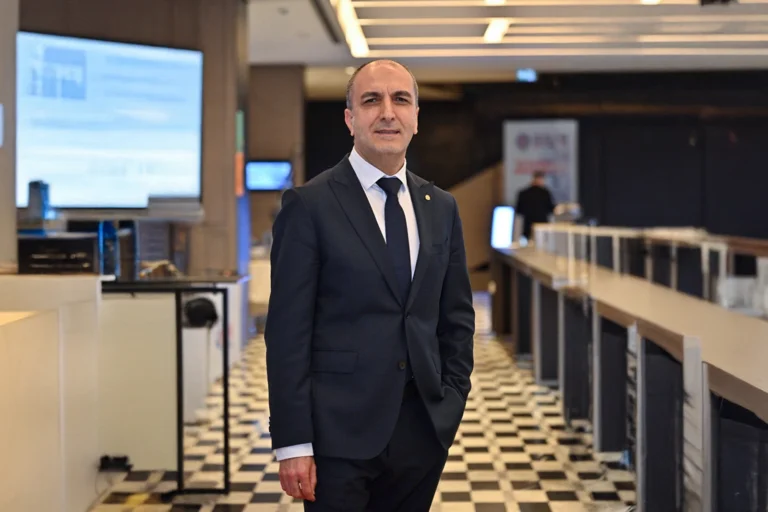
Suitability for any procedure, and readiness for travel, is determined through examination and assessment by Prof. Dr. Şükrü Yazar.
Frequently Asked Questions
Can cosmetic surgery recovery be treated as a holiday?
Recovery after cosmetic surgery may require rest, follow-up visits and temporary limits on activities such as sun exposure, swimming, lifting and long travel. The treating surgeon should advise when specific activities and return travel are appropriate.
What should international patients verify before booking surgery in Turkey?
International patients should verify the named surgeon’s credentials, the treatment setting, the proposed treatment plan, consent arrangements, communication support and follow-up procedures. They should also understand how concerns will be managed after they return home.
Can a patient fly home after plastic surgery in Turkey?
Whether a patient can fly home depends on the procedure, the person’s health, the progress of recovery and the operating surgeon’s assessment. Travel plans should remain flexible enough to accommodate clinical advice.
What does accreditation tell a patient about a clinic?
Accreditation can provide information about a facility’s standards, but individual outcomes still vary and surgical risks remain. Patients should also confirm the surgeon’s qualifications, the clinical plan, informed consent and available follow-up care.