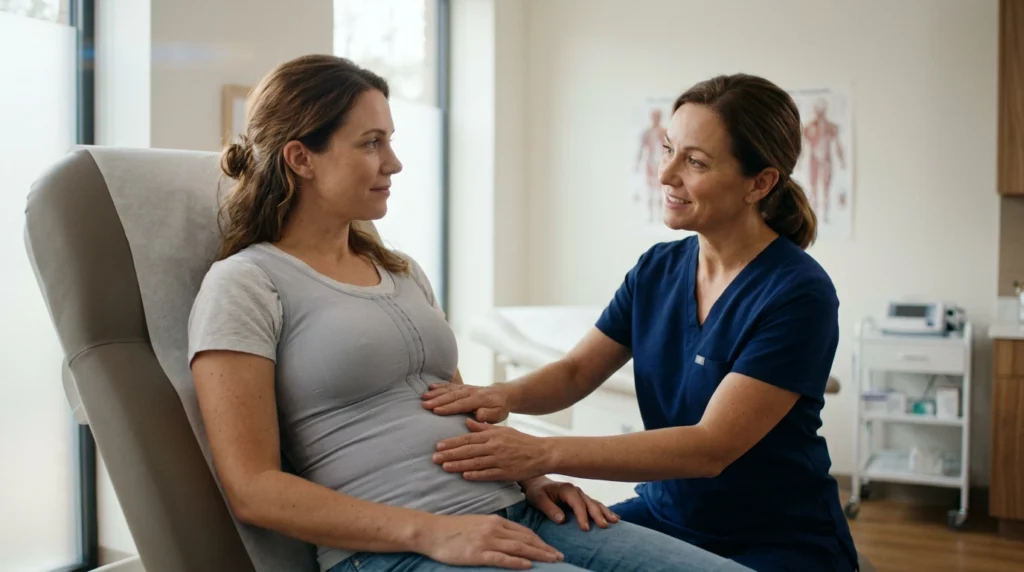
Liposuction recovery is a gradual process that requires rest, gentle movement, and consistent use of compression garments to manage swelling and support healing. Following your surgeon's advice, eating a nutritious diet, and seeking emotional support can help ensure a smooth and successful recovery.
- Liposuction recovery is a gradual process that requires rest, gentle movement, and consistent use of compression garments to manage swelling and support healing.
- Following your surgeon's advice, eating a nutritious diet, and seeking emotional support can help ensure a smooth and successful recovery.
- While mild swelling and bruising are common early on, tissues need time to heal, and strenuous exercise should be avoided initially.
- Managing pain with prescribed medication, cold compresses, and gentle walks can improve comfort and promote blood flow.
- Consult your surgeon immediately if you experience sudden increases in pain, intense redness, fever, ongoing bleeding, or shortness of breath.
Liposuction recovery is a journey that needs careful planning and kindness to your body. Everyone heals differently, which can be hard to handle without a clear plan. Knowing what to expect each week can ease your worries and give you a sense of control. By following expert advice and simple care tips, you can avoid complications like infection or swelling. But don’t forget, emotional support is just as important during your recovery.
Setting Expectations for a Smooth Healing Process
Safe and realistic goals are key. Many people see mild swelling or bruising early on. Resting from non-essential tasks helps in the long run and prevents strain. Moving gently is very beneficial. The American Society of Plastic Surgeons recommends slow walks to boost circulation. This helps avoid complications and keeps you comfortable. Having family or friends help with chores ensures you don’t overdo it. This time needs patience and determination. Knowing your limits helps you focus on rest without feeling down. Simple exercises and self-care routines can speed up recovery. Support from loved ones makes the journey more positive and uplifting.
Immediate Postoperative Phase
Right after liposuction, many people feel some pain, tiredness, and soreness. This time is for rest, gentle movements, and listening to your body. Wearing a compression garment, like those from Marena, helps with swelling and keeps you stable.
Doing short walks around your home helps blood flow. Watching your incisions for signs of infection is important. Friends and family can help with emotional support, like cooking meals for you. Getting advice on recovering from liposuction can be helpful, with regular checks from your doctor. Following your doctor’s advice and taking care of yourself is key. Taking things one day at a time helps build confidence. Getting support from healthcare professionals is vital, as is emotional support from loved ones. Keeping your wounds clean and staying positive are important steps in your recovery.
The First Week of Healing
In the first week, it’s key to manage swelling and reduce pain. Doctors often recommend wearing compression clothes to help. This aids in skin adjustment and reduces bruising.
It’s vital to keep an eye on the incision sites daily. Mild tenderness is normal, but watch out for signs like too much redness, warmth, or discharge. Mayo Clinic advises gentle walks to improve blood flow. Eating well, with lots of vitamins and protein, helps the body heal faster. Many people want to get back to normal quickly. But being patient and kind to your body helps it heal better. Rest and drinking plenty of water are important. Sticking to your doctor’s advice is the best way to ensure a smooth recovery.
Key Steps in the Second Week
Swelling might stay, but comfort usually gets better. Gentle movement helps blood flow and lessens stiffness. So, short walks or light stretching are good. Wearing liposuction recovery garments is key for shaping treated areas. Brands like Marena offer support and help prevent fluid build-up.
Feeling emotionally uplifted is just as important. Being around supportive family and friends can speed up healing. Drinking plenty of water and eating well helps tissues repair. Talking to a doctor can also ease worries. Staying consistent in this phase boosts the body’s strength. Following professional advice helps avoid setbacks and promotes steady progress. Combining regular gentle activity with liposuction recovery garments often leads to better results. When swelling goes down, many feel more confident. This gives them the motivation to live a healthy lifestyle.
The Third Week: Monitoring Your Progress
Fatigue or mild soreness near incision sites often persists during this stage. It’s a key time to watch for changes in how you look, as swelling may linger. Gentle movement helps with healing and keeps blood flowing well. Some people check in with their surgeon to see how they’re doing. This helps them stay on track with post liposuction care.
Don’t forget about your emotional health, as you might feel impatient for quick results. Being patient and getting enough rest helps your body heal slowly but surely. Sticking to a routine in this third week is important for a smooth recovery. Many find that mixing light activities with rest helps them stay committed to proper care after liposuction.
Enhancing Liposuction Recovery During the Fourth Week
By the fourth week, many see swelling from liposuction start to go down. This makes the treated areas look more defined. Some puffiness might stay, so gentle massages can help. These massages improve blood flow and make you feel more comfortable. Starting to do some light exercise can make you feel like you’re getting better. Doing yoga or gentle stretches helps without putting too much strain on healing tissues. It’s also key to look after your mental health, as feeling tired or having twinges can be common.
Everyone’s recovery is different, and it’s not good to compare with others. Fluid retention can be affected by what you eat, drink, and how active you are. Talking to your doctor about any worries you have can help a lot. The American Society of Plastic Surgeons (2023) has useful information based on the latest research. This way of caring for yourself is all about listening to your body and getting advice from doctors. The fourth week is a time for small but important steps towards feeling better.
Signs You Should Consult Your Surgeon
Light swelling or liposuction bruising is common in the early recovery stages. But, if you notice a sudden increase in pain or intense redness, it could be a sign of infection. Fever and ongoing bleeding around the incisions are also warning signs that need immediate medical attention. Seeing darker areas of bruising or sudden swelling is a cause for concern. Feeling breathless or experiencing sharp pain in one area might mean a blood clot is forming. These symptoms require urgent care to avoid further complications.
It’s also important to look after your mental health. Feeling overwhelmed, anxious, or struggling with daily tasks could mean you need professional help. Talking to a counsellor can offer reassurance and show that mental health is just as important as physical recovery. Visiting a surgeon at places like Mayo Clinic can help spot any problems early on. This can give you the confidence to move forward, knowing you’re in good hands.
Common Myths Surrounding Post Liposuction Care
Many think one garment or a short time is enough. But, wearing compression garments consistently is key for good results after liposuction. Some people wear them all the time in the first weeks. They say it makes them feel more comfortable and helps their skin heal better.
Some believe you must stay in bed all the time. But, studies from the American Society of Plastic Surgeons show that moving a bit is good. It helps blood flow and keeps muscles working, which is important for healing. Another myth is that swelling goes away fast and you can start exercising hard right away. But, tissues need time and care. Too much exercise can harm new cuts and slow down healing. Wearing liposuction compression garments helps by reducing swelling and helping skin tighten. This is important for lasting results after surgery.
Liposuction Recovery Timeline Explained
Every stage of liposuction recovery brings new moments of progress. From the first few days of rest to gradually getting back to normal. In the early days, it’s important to handle the treated areas gently to control swelling. Compression garments help shape the body and support tissues as they adjust to new contours. This phase offers relief and boosts confidence, showing that healing is happening.
As the body settles, some people see changes sooner, while others need more time. Emotional responses can vary, from excitement at seeing a new shape to frustration if progress is slow. Keeping a positive mindset is key to staying focused on the end goal. With consistent care, liposuction recovery can be a life-changing experience. It nurtures both the body and spirit.
Managing Pain and Discomfort
Reducing soreness is key for a smoother recovery. Doctors might recommend pain relief medication. Cold compresses help with swelling and keep blood flowing well. Walking gently each day keeps muscles loose. This makes the healing process easier.
Getting enough sleep is also vital. Using pillows under your legs can help. This improves your posture and reduces pain at the incision site. Doing gentle stretches can also help. These stretches make moving easier and add comfort. This approach helps you recover faster. Some people find physical therapy helpful for stiffness. Getting advice from a skilled surgeon is important. They can tailor your recovery plan to your needs. Everyone’s pain levels are different. But with care and steady progress, you can regain your strength. These tips focus on your comfort and aim for long-term health.
Mindful Nutrition During Recovery
Choosing healthy meals is a key step towards healing. Lean proteins help repair the body. Colourful vegetables boost the immune system. Drinking plenty of water helps remove toxins. When you’re tired or don’t feel like eating, try small meals. A dietitian can help tailor a plan that suits you. This way, you can feel better and more stable. Recovering from liposuction is about more than just the body. Mindful eating helps rebuild confidence. It’s a way to take care of yourself, one meal at a time.
Maintaining Emotional Wellbeing
Some people feel a big relief after surgery, but worry if it will meet their expectations. Emotional ups and downs can surprise you, like when you stop old habits or change how you see your body. Doctors and mental health experts say being kind to yourself is key. They remind us that the recovery journey has its ups and downs. Support from loved ones or online groups helps you feel understood and connected.
Practising deep breathing, meditation, or changing your thoughts with guided imagery can help. Taking care of your emotional health is essential, not a luxury. Celebrating small wins, writing in a journal, or talking to experts can boost your mood. Connecting with others and using mindful strategies can bring peace and confidence back.
How to Return to Normal Routines Safely
Getting back to daily tasks should be done slowly. Some people can start with light chores in weeks. Others need more time. Doctors might recommend wearing liposuction recovery garments to help healing and protect wounds.
Starting with small movements like standing, walking, and stretching is good. It keeps blood flowing without hurting sensitive spots. Working at a desk is okay, but take breaks and sit right. Moving regularly helps keep muscles strong and prevents swelling. Always check with a doctor before doing too much. Wearing liposuction recovery garments can help. Taking it slow and going for check-ups helps you get back to normal safely.
Long-Term Tips for Faster Liposuction Recovery
Simple lifestyle changes can help a lot. Eating well and drinking plenty of water helps your body heal. Light walks and gentle stretches improve blood flow and reduce muscle tightness. Wearing tight compression clothes for a while can also help. The American Society of Plastic Surgeons says it reduces swelling. Regular check-ups with your surgeon are important too. They help track your progress and address any issues quickly.
Looking after yourself is essential. Getting enough sleep helps your body fix itself and boosts energy. Eating better, like choosing whole grains and lean proteins, also helps a lot. Keeping your mind positive is just as important. Taking short breaks and talking to loved ones keeps you motivated. With time, taking care of yourself in a balanced way leads to lasting results.
Maintaining Results After Healing
Even when liposuction swelling goes away, small steps help keep your shape smooth. Try light activities like swimming or brisk walks to keep blood flowing. Yoga is great for building strength without stressing the healing areas. Regular self-checks can spot changes in your body shape early. This means you can take care of them quickly. Many surgeons suggest regular check-ups to help you make the right choices and catch any small issues.
Healthy eating helps keep your weight stable and your figure looking good. Eating lean proteins and vegetables keeps your skin looking vibrant. Feeling more toned boosts your confidence. This confidence can change how you live your daily life. It helps you adopt a lifestyle that respects your body’s new shape. Making small changes every day helps you keep improving and protects your liposuction results.
Looking Ahead to a Healthier Future
Having a plan after the first few weeks is key to lasting health. By following a surgeon’s advice, you keep your results looking good. Liposuction compression garments also help by reducing swelling and smoothing out your shape. Small, regular steps lead to big changes. Starting with gentle exercises can boost your mood and get you moving again. Many also try new self-care activities, like meditation or yoga. Wearing liposuction compression garments for a bit longer helps keep things stable. This dedication keeps you motivated and helps you achieve your goals.