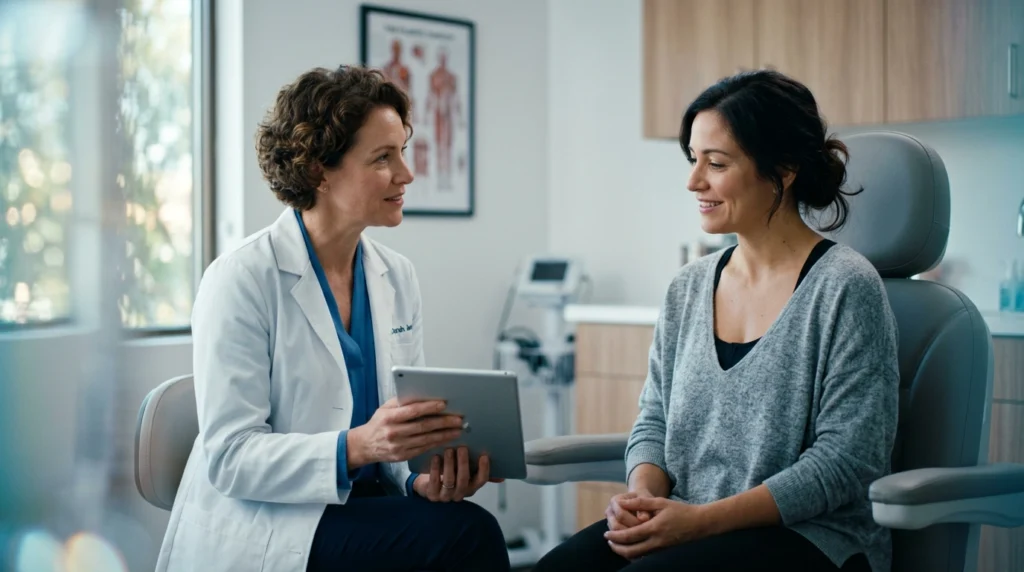
Breast lift recovery begins with rest, gentle movement, and managing swelling and tenderness. Following your surgeon's advice, staying hydrated, and attending regular check-ups are essential for a smooth healing process.
- Breast lift recovery begins with rest, gentle movement, and managing swelling and tenderness.
- Following your surgeon's advice, staying hydrated, and attending regular check-ups are essential for a smooth healing process.
- Sleeping in a semi-reclined position with extra pillows can help reduce swelling and improve blood flow.
- Wearing supportive, breathable clothing and front-closing tops can make dressing easier and protect incisions.
- Seek immediate medical attention if you experience sudden changes like deep redness, unexpected discharge, or a persistent fever.
Breast lift recovery begins when the body starts to heal after surgery. You might feel swelling and tenderness. But, rest and gentle movement can help. This first part can seem scary, but knowing what to expect can make it easier. Health-conscious people and those affected by cancer have special needs. Supportive advice can help them feel more at ease. By understanding each stage and listening to your body, you can get back to your daily life. You’ll be ready for the lasting changes to your body.
Understanding the Procedure
A breast lift, or mastopexy, reshapes the breast for a better look. It involves removing excess skin and reshaping the breast mound. This can make the breasts look firmer and more youthful.
Some people might see a slight increase in breast size. The approach depends on the person’s body and what they want. Doctors look at skin elasticity and health before planning the surgery. Starting recovery right is key. This means resting gently and following the surgeon’s advice. The first days are about wearing soft clothes and managing pain well. Taking care of yourself after the surgery helps in a smooth recovery.
Understanding Breast Lift Recovery
Healing starts with a calm mind and knowing what to do. Resting in a comfy position helps avoid putting pressure on sore spots. It also helps blood flow. Experts at the Mayo Clinic say gentle walks are good for circulation. But, it’s best to avoid hard exercises for now. Watching for signs of infection is key to staying calm.
Drinking plenty of water and eating well helps your body heal. This is part of the best way to recover from a breast lift. Regular check-ups with your doctor are also important. These visits help you get advice tailored to your needs. This could be about changing dressings or knowing when to move more. Knowing what to do makes each step easier. Doing small things for yourself, like wearing supportive clothes, helps too. It keeps you on track and makes healing smoother.
Timeline for Breast Lift Recovery
Healing begins as soon as you leave the operating room. You might feel some swelling and tightness in the first days. Bandages and dressings help by supporting the area around the cuts. By the middle of the first week, moving around feels easier. You might notice some tingling on your chest. Starting with short walks can help keep blood flowing well.
The second or third week often sees a big boost in how you feel. You’ll start to get back into your daily activities. Taking good care of your cuts helps avoid infections. After a month, the swelling goes down, and you can do more exercise. Your body keeps changing over several months. Your cuts will fade, and your shape will improve. Regular check-ups are key to your recovery.
Key Tips for Post Breast Lift Care
Rest is key for a quick recovery after a breast lift. Light walks help keep blood flowing and healing steady. Mayo Clinic advises checking incisions often for any issues. This can help ease tension and promote relaxation. Wearing the right clothes is also important for shape and support. Everyone heals at their own pace, but staying patient and positive helps.
Eating well, with lots of vitamins, is essential for repairing tissues. Johns Hopkins Medicine says drinking plenty of water boosts strength. Gentle movements and deep breathing protect muscles and speed up healing. Getting advice from doctors is important for safe progress. Knowing what to expect makes you feel more at ease. Tips for a smooth recovery often include staying open and trusting your care team.
Best Practices for Faster Recovery
Taking it easy is key to healing well. Cold packs from brands like Smith & Nephew can help by reducing swelling. Resting with your upper body up helps too, making you feel better faster.
Eating right is also important. Eating less salt helps your body get rid of extra water. Moving gently and changing your posture helps blood flow, aiding in recovery. Doctors suggest gentle massage and deep breathing to ease muscle tightness. Drinking lots of water keeps blood flowing and helps tissues heal. These steps help reduce swelling and make recovery smoother.
Pain Management During Healing
After a breast lift, pain can start off mild but get sharper. Doctors might give you medicine to help with the pain. But, you might need to switch to over-the-counter drugs once the worst of it passes. Experts at places like Johns Hopkins suggest gentle massage and mindfulness. These can help ease tension and boost your mood. It’s also key to rest and use pillows for support to aid in healing.
Managing pain after a breast lift is about more than just medicine. Soft music or deep breathing can help you relax. If the pain is too much, always talk to your surgeon. Quiet time, rest, and being kind to your body are important. They help you feel in control and support your healing.
Reducing Swelling After Breast Lift
Swelling can be uncomfortable after surgery, making it hard to rest. Sleeping in a semi-reclined position helps fluid drain. This posture lifts the chest, aiding in the flow of blood. Using extra pillows under the upper body provides the needed lift. It also reduces tension on incisions and improves blood flow. Gentle shoulder support during the day helps in recovery. It encourages a more open stance, which can reduce swelling.
Combining tips on sleeping after a breast lift with mindful posture can greatly reduce fluid retention. Sleeping on the back or at an incline keeps the chest stable. This reduces pressure on sensitive tissues. Special pillows act as calming cushions, easing discomfort. A calm bedtime routine with enough water supports long-term relief from puffiness.
How to Sleep Comfortably After a Breast Lift
Quality rest is key for calmness and healing. Some people find comfort with soft cushions around their torso. This helps keep the upper body up, easing pressure on cuts. Adjusting your bed to fit your comfort is also important. Deep breathing before sleep can help relax you. Gentle pillows on the sides protect sensitive areas and reduce chest strain.
A good sleep schedule helps avoid tiredness and aids in healing. Being mindful of your posture at night can lead to better results. After getting enough rest, you can start with slow movements or gentle stretches. Over time, you can do more exercises to build strength. This balance of rest and activity helps your body heal well. It also brings a sense of calm and wellbeing.
Gentle Exercises for a Smoother Recovery
Movement helps keep blood flowing and reduces tension. Light walking or gentle stretching is safe. It helps you move without hurting sensitive areas. Slow yoga, with a good teacher, can also improve flexibility without too much strain.
Starting with short exercises can help you progress faster. It’s important to listen to your body and stop if it hurts. Talking to your doctor regularly helps avoid doing too much too soon. Small steps can make a big difference. They build confidence and strength. Gentle exercises support your recovery, boosting your mood and energy.
Clothing and Support Garments
Choosing comfy clothes is key when you’re healing from a breast lift. Some people feel better in bras made for their new shape. It’s important to find ones that fit gently around the incisions to avoid irritation.
Wearing light, breathable fabrics helps keep you cool and comfortable. Front-closing tops are a hit because they don’t require lifting your arms too much. This makes getting dressed easier and helps you conserve energy. Specialised support garments are great for keeping the breast tissue in place and reducing swelling. Wearing them at night helps keep everything stable. This can help your chest shape settle without extra pressure. Choosing the right clothes now can help you feel more confident as you recover.
Nutrition and Hydration for Healing
Healing after a breast lift is not just about rest and medicine. Eating well and drinking enough water are also key. A diet full of fruits, vegetables, and whole grains gives you the vitamins and minerals you need. These boost your energy.
Lean proteins help repair your cells and keep you strong. Healthy fats in moderation help your body absorb nutrients better. This is important for healing. Drinking water is essential to keep your blood flowing and remove toxins. This helps your body recover faster. Drinking water also keeps your skin soft and your tissues pliable.
Some people find eating small, frequent meals helps. This can prevent stomach upset from medicines. It also keeps your blood sugar stable, which can improve your mood while you heal. Talking to a dietitian can be a good idea, too. They can help you make sure you’re getting the right nutrients. With the right food and enough water, you can heal well and strongly.
Potential Complications and When to Seek Help
Some soreness or mild swelling is normal after a breast lift. But, sudden changes like deep redness or unexpected discharge need quick action. Catching these signs early can stop bigger problems.
If you have a fever or pain that won’t go away, see a doctor or your surgeon. Also, watch for persistent drainage or colour changes around the incision. These could mean infection or tissue issues. Regular check-ups and talking openly with your healthcare team can ease worries. Every person reacts differently to cosmetic procedures. It’s important to share any concerns you have. Even small worries should be discussed. Having a support network and getting advice from medical professionals can help you feel better. It makes the recovery process smoother and less stressful.
Scar Care and Skin Maintenance
Many people worry about scars being seen, but with the right care, they can fade. Keeping the area clean and moisturised helps a lot. Dermatologists might recommend using silicone sheets to make scars less sensitive.
The American Society of Plastic Surgeons (ASPS) says using ointments and gentle massage can improve scar texture. It’s good to use products without fragrances to avoid irritation. Also, protect scars from the sun to prevent them from getting darker. Sticking to a skincare routine is key. Using moisturising creams and gentle cleansers keeps the skin soft and comfortable. With time, scars will fade, making you feel more confident about your skin.
Resuming Everyday Activities
Many people feel relieved when swelling goes down and energy comes back. Simple movements like stretching or short walks help. Doing small tasks at home also lifts spirits, but only do what feels comfortable.
Some start driving again when they can move their arms well and don’t need strong pain meds. The NHS says to start slowly with things like shopping or office work. This way, you avoid putting too much strain on your body and help it heal better. Mayo Clinic experts say to watch for any pain or soreness when you start doing daily tasks again. It’s important to take breaks to avoid getting too tired. Moving at a slow and steady pace helps keep your body and mind in balance during recovery.
Maintaining Results Over Time
A balanced routine often leads to lasting changes after a breast lift. Keeping a stable weight helps reduce pressure on the lifted areas. This keeps the skin from stretching too much. Wearing supportive bras is key, even for light activities. A well-fitted bra not only keeps the shape but also adds comfort. It makes a big difference in daily life.
Changes in life, like future pregnancies, can affect the results. But, making smart choices can help keep the confidence up. Eating well and exercising moderately can help maintain the firmness. The American Society of Plastic Surgeons suggests regular check-ups. This ensures any issues get addressed quickly. By following these tips, many people enjoy their uplifted breasts for years.
Looking Ahead to a Confident Future
Many patients see a breast lift as more than a physical change. They start gentle stretches and light walks to aid healing. Wearing supportive clothes helps keep the results looking good, making everyday tasks easier. Feeling emotionally well is also key during this time. Talking openly with doctors can offer comfort and useful tips. It reminds people they’re not alone.
Building healthy habits leads to lasting happiness. Simple actions like eating well or taking breaks can boost confidence. A breast lift can also make you more connected to your body, leading to better choices. This empowerment brings hope for the future. It encourages living with kindness and a positive attitude.