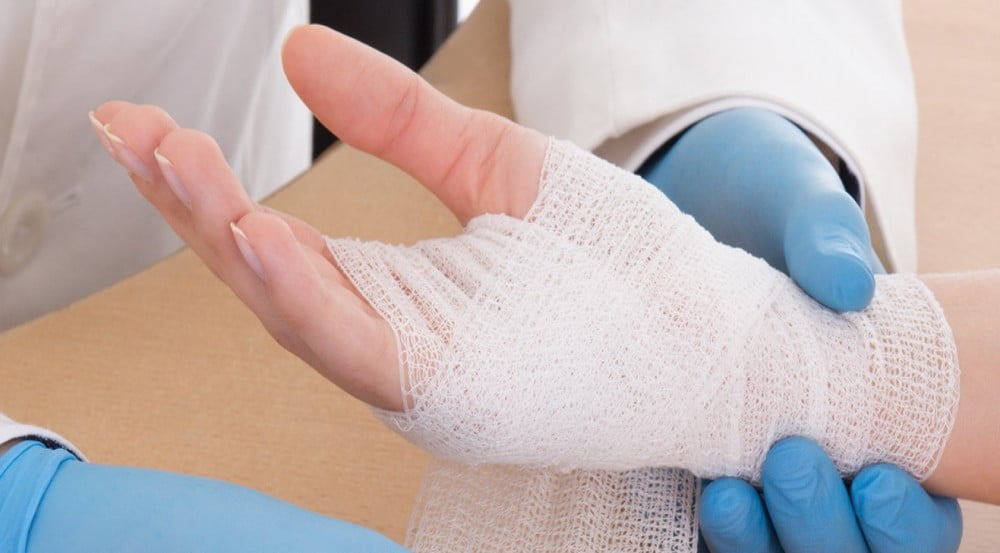
Burns are skin and tissue injuries caused by heat, chemicals, electricity, or excessive sun exposure, classified by severity from first to fourth degree. While minor burns can often be managed at home, severe burns require immediate medical attention to prevent complications like infection or permanent scarring.
- Burns are skin and tissue injuries caused by heat, chemicals, electricity, or excessive sun exposure, classified by severity from first to fourth degree.
- While minor burns can often be managed at home, severe burns require immediate medical attention to prevent complications like infection or permanent scarring.
- First-degree burns cause redness and blisters, whereas third and fourth-degree burns damage deeper skin layers, tendons, and bones.
- Home care for minor burns includes cool water, cold compresses, antibiotic ointments, and aloe vera, but ice, toothpaste, and oils should be avoided.
- You should see a doctor for burns larger than 10 cm, burns on sensitive areas like the face or hands, or if you experience severe pain, fever, or signs of infection.
What is a burn?
Burns are skin damage and tissue injury caused by exposure to high temperatures from boiling water, electricity, flames, or chemicals. Particularly common in children as a result of household accidents, burns can cause very dangerous skin damage and leave permanent scars.
Many people can recover without serious problems depending on the cause and severity of the burn, but if more serious burns are not treated, complications can lead to permanent, severe scarring and even death. Treatment of burn scars caused by severe burns must be performed by specialist doctors. Burn treatment falls under the field of plastic surgery.
How many degrees of burns are there?
Burns are classified into three main levels: first-degree, second-degree, and third-degree burns. Each burn level is named according to the severity of the damage it causes to the skin. First-degree burns are the minorest, while third-degree burns are the most severe. The types of burns and their damage are as follows:
- First-degree burns: The skin becomes red and blisters form.
- Second-degree burns: The skin becomes red and there are more blisters.
- Third-degree burns: Damage occurs to both the upper and lower layers of the skin.
There are also fourth-degree burns. These burns exhibit all the symptoms of third-degree burns, but the damage extends from the skin to tendons and bones.
Burns occur due to specific causes.
- Burns from boiling water,
- Chemical burns,
- Electrical burns,
- Burns caused by flames such as those from candles or lighters,
- These can be grouped as excessive sun exposure.
The degree of burn does not depend on the cause. For example, a burn from boiling water can be first-degree or third-degree. The degree of burn depends on the extent of skin damage caused by the condition. Chemical and electrical burns require immediate medical attention even if the damage is minor, because even minor skin damage can affect the entire body. Treatment for these types of burns can be longer and more difficult.
How are burns treated?
Third and fourth-degree burns require immediate medical treatment and should only be treated in a hospital. However, first-degree and second-degree burns are milder and can be easily treated at home. Complete healing of mild burns may take one or two weeks. After healing, there will be no visible scarring on the skin. The goal of treating burns at this level is to reduce pain, prevent possible infections, and promote faster skin healing. First aid measures that can be taken at home for mild burns include:
- Cold Water: For minor burns, such as first-degree burns, the first step is to expose the burned area to cold water for about 20 minutes. Afterward, gently wash the burned area with soap and water.
- Cold Compress: Applying a cold compress or a clean, damp cloth to the burned area will relieve both pain and swelling. Cold compresses can be applied in 5 to 10-minute intervals. However, care should be taken not to use excessively cold compresses, as excessive cold can further increase skin damage.
- Antibiotic Ointments: Antibiotic ointments and burn creams help prevent possible infections. After applying antibiotic cream to the burned area, it is covered with a clean cloth and dressed.
- Aloe Vera: Aloe vera is often referred to as a burn treatment plant. Studies have proven its effectiveness in healing first and second-degree burns. Aloe vera is also anti-inflammatory, improves circulation, and inhibits bacterial growth. A layer of pure aloe vera gel, taken directly from the leaves of the plant, can be applied directly to the burned area. If you don’t have an aloe vera plant at home, a store-bought aloe vera cream will suffice. However, it’s important to ensure the cream contains a high percentage of aloe vera. Products containing coloring agents or perfumes should never be used for treating first or second-degree burns.
- Honey: Honey is a very effective way to heal minor burns because it is anti-inflammatory. It is also a natural antibacterial and antifungal agent.
- Sun Protection: During burn treatment, it is very important to prevent the burned area from being directly exposed to sunlight. This is because burned skin is very sensitive to the sun.
- Do not pop the blisters: Blisters that form on the skin after a burn should never be popped. Popping blisters can cause infection.
- Over-the-counter pain relievers: If you are in pain and it is very bothersome, you can take an over-the-counter pain reliever. However, you should carefully read the package insert to ensure the correct dosage is used.
It’s important to avoid following certain misinformation when treating burns at home. Advice from people without medical knowledge should be disregarded, as incorrect practices can lead to irreversible damage.
Applications to Avoid in Case of Mild Burns
- Do not apply various oils to the burned area: Contrary to popular belief, coconut oil is not good for burns. Such oils can cause bacteria to form on the skin.
- Do Not Use Toothpaste on Burns: Toothpaste should never be applied to burn treatment. This is because toothpaste can further irritate the burned skin and lead to infection, as toothpastes are not sterile.
- Do not use ice: Ice or excessively cold water can further irritate the burned area. If not used correctly, ice can even cause cold burns.
When Should You See a Doctor for Which Burns?
First-degree or second-degree burns can be treated at home. However, third-degree burns should never be treated at home, as they can carry very serious risks, from infection to shock. In some cases, even if the burn is first or second-degree, you should see a doctor. For example:
- If the burned area is larger than 10 cm,
- If your face, hands, hips, or groin area are burned,
- If there is a lot of pain and odor,
- If the fever has risen,
- If a third-degree burn is suspected,
- If you haven’t been vaccinated against tetanus, or if more than 5 years have passed since your last vaccination, it’s advisable to see a doctor.
There is a high probability of scarring after treatment for third-degree burns. However, advancements in technology and surgical techniques can produce miraculous results in treating burn scars. Nevertheless, expert doctors and appropriate treatment environments are crucial for the treatment of burn scars, and indeed all types of scars. Incorrect treatments can lead to irreversible consequences.
Burn Treatment Prices
It is prohibited for aesthetic centers approved by the Turkish Ministry of Health to list the prices of any burn treatment procedures on their websites. Official aesthetic clinics that do not comply with this rule are subject to penalties. Therefore, Şükrü Yazar Aesthetic Clinic cannot provide information about burn treatment prices via its website. Furthermore, in order to provide accurate information about burn treatment prices to the patient, a specialist doctor needs to analyze the patient’s burn condition and degree.
Regarding burn treatment… Nişantaşı Aesthetics One of the first clinics that comes to mind when you think of burns is Şükrü Yazar Aesthetic Clinic. You can contact Professor Dr. Şükrü YAZAR, a Specialist in Aesthetic, Plastic and Reconstructive Surgery, during business hours to ask all your questions about burns and to have an examination ☏ +90 212 257 1515 | WhatsApp Support +90 541 334 3484 You can contact us through the provided phone numbers and ask questions such as “How is burn treatment performed and what are the prices?” and request an appointment by stating that you would like to speak with a specialist doctor. Our patient advisor will arrange an appointment with the doctor as soon as possible.