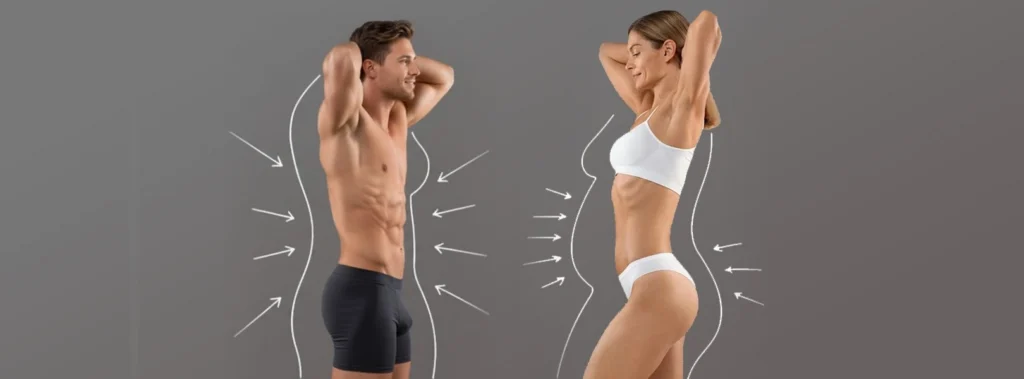
Liposuction is a surgical procedure designed to remove stubborn fat from specific areas of the body, such as the abdomen, hips, thighs, and arms, using a vacuum cannula. It is an effective method for targeting fat that cannot be reduced through diet and exercise, but it is not intended as a weight-loss surgery.
- Liposuction is a surgical procedure designed to remove stubborn fat from specific areas of the body, such as the abdomen, hips, thighs, and arms, using a vacuum cannula.
- It is an effective method for targeting fat that cannot be reduced through diet and exercise, but it is not intended as a weight-loss surgery.
- Various methods exist, including vacuum aspiration, laser, VASER, lipomatic, and plasma liposuction, each offering different approaches to breaking down and removing fat cells.
- The recovery period involves resting for a few days, wearing a compression garment to reduce swelling, and gradually returning to normal activities while avoiding strenuous exercise initially.
- Individuals with underlying medical conditions should discuss potential pre-operative risks with their doctor before undergoing the procedure.
Liposuction is a surgical procedure to remove stubborn fat from specific areas of the body. It is also known as fat removal surgery.
Liposuction is an effective method for removing fat that cannot be reduced through diet and exercise. The surgery involves suctioning fat cells from the body using a vacuum cannula. The cannula is inserted through small incisions in specific areas of the body. Then, using a vacuum device, the fat cells are removed through the cannula.
The surgery is usually performed under local or general anesthesia, and the duration of the procedure can vary depending on the area being treated. Liposuction is commonly performed on areas such as the abdomen, hips, thighs, arms, waist, back, and neck.
Liposuction Surgery Methods
Liposuction is a surgical procedure used to remove excess fat accumulated in different areas of the body. The most common liposuction methods are:
Vacuum Method
Vacuum aspiration is a method used in liposuction surgery. In vacuum aspiration liposuction, the surgeon makes a small incision in the designated area(s), inserts a special cannula, and uses a vacuum device to suction out the fat tissue. These cannulas are connected to a vacuum device that breaks down fat cells under the skin, allowing the fat to be collected.
Laser Liposuction
Laser liposuction is a type of liposuction (fat removal) procedure used to reduce excess body fat. In this method, fat cells are broken down using laser energy, and then the fat, melted by laser energy, is removed using a vacuum device.
The laser liposuction procedure allows the surgeon to penetrate under the skin using a special laser device and melt the fat tissue. The laser energy heats and breaks down the fat cells, facilitating the removal of the fat without damaging surrounding tissues.
Laser liposuction is considered a less invasive procedure compared to other liposuction methods, and the recovery time is generally shorter. Skin tightening can also be observed with this method.
Vaser Liposuction
VASER liposuction is a liposuction (fat removal) method used to reduce excess body fat. In this method, fat cells are broken down using a special ultrasonic device and then suctioned out.
The VASER liposuction procedure allows the surgeon to penetrate under the skin using a special VASER device and melt the fat tissue. VASER technology facilitates fat suction by targeting and breaking down fat cells without damaging surrounding tissues.
VASER liposuction is considered a less invasive procedure compared to other liposuction methods, and the recovery time is generally shorter. Skin tightening can also be observed with this method.
Lipomatic
Lipomatic fat removal is a method used to reduce excess body fat. This method involves breaking down fat cells using a special device, which is then suctioned out.
The Lipomatic fat removal procedure involves the surgeon inserting a cannula with a special vibrating effect into the designated area and breaking down the fat tissue by vibrating it. The vibrations break down the membranes of the fat cells, facilitating the suction of the fat without damaging surrounding tissues.
Lipomatic fat removal, like other liposuction methods, is used to reduce excess fat. Its difference from other methods is that it is less invasive and also results in less pain, swelling, and bruising.
Plasma
Plasma liposuction involves injecting a local anesthetic and a type of plasma (a gelatinous substance) under the skin to break down fat cells more easily and less invasively. These broken-down fat cells are then suctioned out.
This liposuction procedure should not be used as a weight-loss surgery. It is suitable for individuals who wish to achieve a better body shape and are generally healthy. However, patients with any medical conditions or those who wish to take precautions to reduce pre-operative risks should discuss this with their doctor before the procedure.
Recovery Period After Liposuction Surgery
The recovery period after liposuction surgery can vary depending on the area treated, the method used, and the patient’s overall health. However, it is generally recommended that patients rest for a few days after surgery and gradually return to normal activities. Depending on the size of the treated area, the full healing process can take from several weeks to several months.
In the first few days after surgery, pain, swelling, bruising, and tenderness may occur in the treated area. Specialists may prescribe pain relievers or other medications to reduce pain during this period. Wearing a garment that tightly covers the treated area (corset) can also reduce swelling.
During the first week after surgery, the surgical area should be cleaned and cared for as recommended by the doctor. It is also important for patients to keep the scars clean and dry to reduce the risk of infection.
Strong exercise should also be avoided during this period. Instead, slow-paced walks or light exercises can be performed. It is also recommended that patients follow a healthy diet and consume sufficient fluids during the post-operative period.
It is important for patients to follow their doctor’s recommendations and rest to speed up the post-operative recovery process. By having regular check-ups with your doctor throughout the recovery process, you can ensure a healthy recovery.
How are body contouring surgeries performed?
For contact information and to schedule an appointment, please click here.