A facelift in Turkey offers UK patients a range of surgical and non-surgical facial rejuvenation options, often at a lower cost than in the UK. The procedure involves various techniques, such as the traditional SMAS or deep plane facelift, and requires careful pre-operative planning and a structured recovery period.
- A facelift in Turkey offers UK patients a range of surgical and non-surgical facial rejuvenation options, often at a lower cost than in the UK.
- The procedure involves various techniques, such as the traditional SMAS or deep plane facelift, and requires careful pre-operative planning and a structured recovery period.
- Recovery times vary by technique, with mini facelifts requiring one to two weeks and deep plane procedures needing four to six weeks.
- Pre-operative consultations involve medical tests, a review of medications, and a discussion of surgical details to ensure patient safety and suitability.
- Patients should expect swelling and bruising in the immediate post-operative period and must follow specific care instructions, such as keeping the head elevated and avoiding strenuous activities.
One autumn morning, a retired teacher from Manchester caught her reflection and noticed the lines settling along her jaw. Her mother’s words came back to her: “Growing older is a privilege, but feeling like yourself is a right.” That was the moment she decided on a facelift in Turkey.
Six months later she was on a flight to Istanbul — and the facelift, as it turned out, changed far more than her appearance.
Hers is a familiar story. Plenty of UK patients now travel abroad for facial rejuvenation, and Turkey sits at the top of the list, known for its skilled surgeons and modern hospitals.
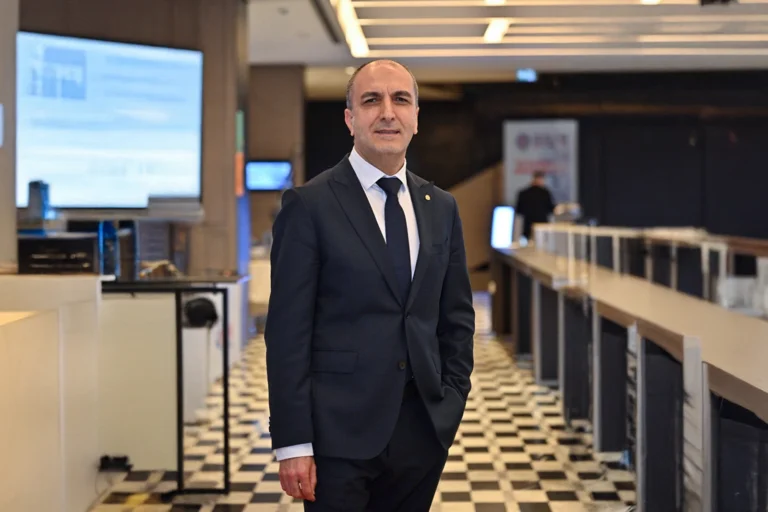
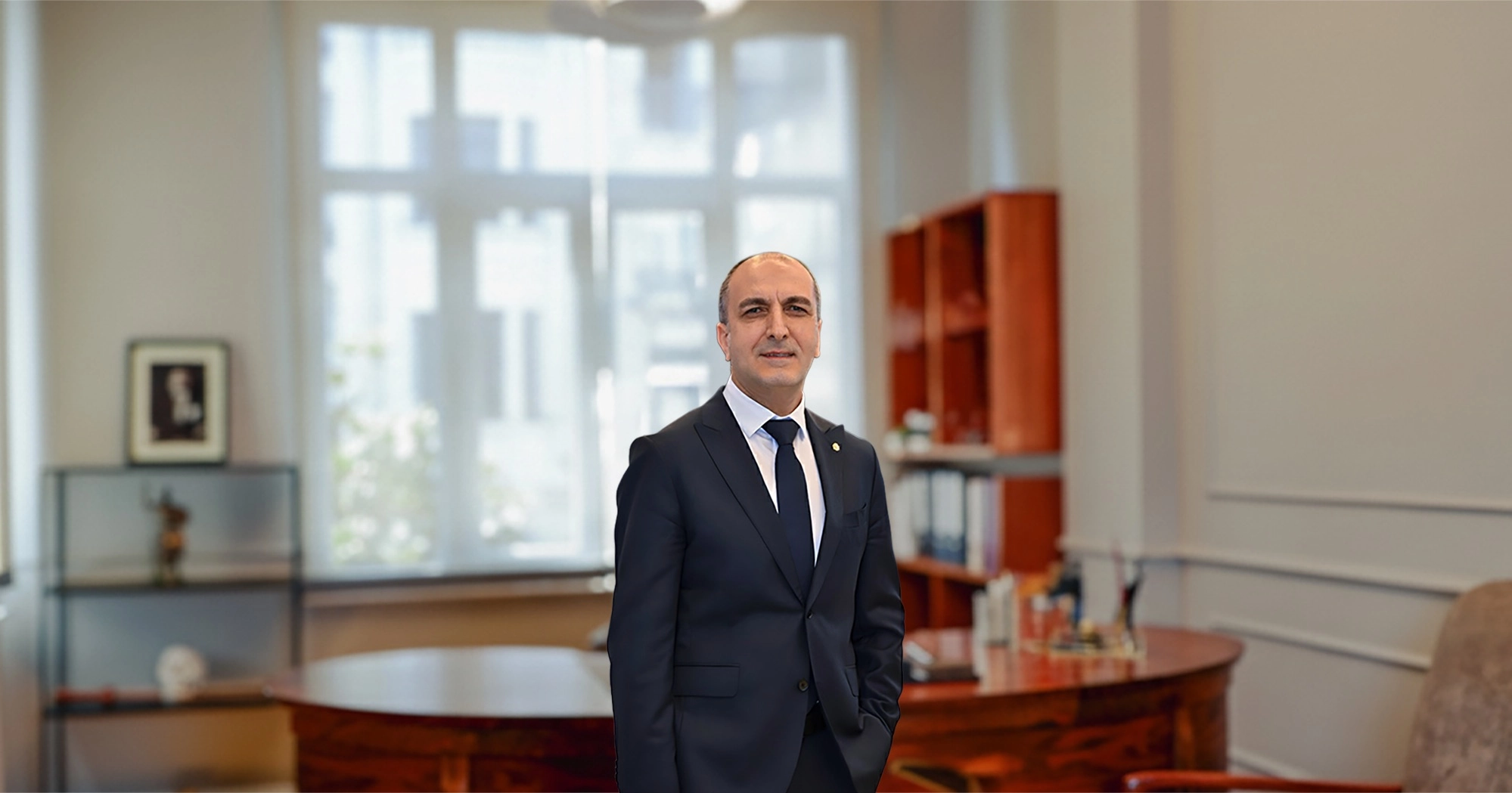
Surgeons like Professor Şükrü Yazar illustrate the calibre on offer. He trained in the UK and holds European Board certification — the kind of pedigree UK patients can genuinely expect to find in Turkey.
This guide covers what you need to know: the surgical techniques, the recovery, and everything in between. Each section is written to help you decide with confidence, whether you’re just exploring the idea or already comparing clinics.
Cosmetic surgery abroad is a deeply personal choice, and it deserves clear answers and honest advice. You should know exactly what to expect before, during and after the operation.
Why Choose a Facelift Turkey for Facial Rejuvenation
Turkey has become a leading destination for facial rejuvenation abroad. Its clinics carry accreditation from the Joint Commission International (JCI), so UK patients can count on a high standard of care — and the peace of mind that comes with it.
The savings are a major draw. A facelift in Turkey costs 50–70% less than in the UK, without the quality slipping — Turkish surgeons have trained across Europe and America and brought that expertise home.
The benefits reach beyond the operating theatre, too. Turkish clinics offer all-inclusive packages covering airport transfers, hotel stays and post-op check-ups, with multilingual support teams smoothing the whole journey.
Getting there couldn’t be much simpler. Flights from London, Manchester and Birmingham to Istanbul or Antalya take about four hours, and both cities are well served by modern hospitals and cosmetic surgery centres.
Deciding on facial rejuvenation abroad is a big step that deserves careful thought and expert advice. For many people, though, a facelift in Turkey turns out to be the answer — strong value, quality care and proper support. Understanding the available techniques is the next step towards a good decision.
Understanding Different Facelift Techniques Available
Turkish clinics offer a wide range of facelift techniques, matched to how each face has aged and what each patient wants. No two faces age the same way — the right method depends on skin laxity, tissue depth and where the ageing shows most.
The traditional SMAS (Superficial Musculoaponeurotic System) facelift remains widely trusted, working on the deeper layers beneath the skin for lasting results. For more advanced ageing, the deep plane facelift repositions facial fat and muscle, producing natural-looking change.
Mini facelifts suit mild to moderate sagging — smaller incisions, quicker recovery. Thread lifts offer a gentler route still, giving younger patients a lift with minimal disruption.
Cosmetic surgery in Istanbul has a reputation for advanced tools. Endoscopic methods let surgeons work through tiny incisions, keeping scarring to a minimum, and the city’s top hospitals use the latest technology for precise, safe surgery.
Recovery varies with the technique: a mini facelift might need one to two weeks, a deep plane procedure four to six. The deeper surgeries repay the longer recovery, with results that can last ten years or more.
A conversation with a skilled surgeon is what settles the choice — making sure the treatment fits both your expectations and your health.
Top Plastic Surgeons Ankara and Istanbul Specialising in Facelifts
Turkey’s two biggest cities, Ankara and Istanbul, are home to its leading facelift specialists. Ankara’s surgeons hold both Turkish and international certifications — solid grounds for UK patients to trust the care they’ll receive.
Istanbul’s surgeons have trained at some of the world’s best institutions and practise at leading hospitals such as Acıbadem Healthcare Group, where ongoing training keeps them current with new techniques.
These are high-volume specialists, performing facelifts week after week — and that practice shows in results that look natural rather than worked-on. For UK patients, it means the outcome they’re hoping for is genuinely within reach.
Reaching these experts is straightforward too. Virtual consultations for overseas patients mean your face can be assessed and your surgery planned before you ever board a plane.
For UK patients, choosing the right surgeon is the decision that matters most — everything else follows from it.
Pre-Operative Consultation Process for UK Patients
The road to a facelift in Turkey starts long before the flight. Reputable clinics open with a detailed online assessment, reviewing your medical history, lifestyle and photographs of your face from every angle — the raw material for a plan built around you.
Virtual consultations happen over secure platforms, with UK patients speaking directly to their surgeon while patient coordinators handle language and travel arrangements. Your plan will set out the surgical details, the expected results and the costs — no surprises.
Medical tests come next. Blood work is required for everyone; an ECG may be needed if you’re over 40, and chest X-rays are sometimes requested depending on your health.
Surgeons also review your current medications. Blood thinners such as aspirin need to stop before surgery, and certain herbal supplements — ginkgo biloba, fish oil — raise bleeding risk and must be avoided too.
UK patients typically arrive two to three days before surgery, allowing time for a face-to-face examination and any final adjustments to the plan. It’s also a chance to settle in, ask questions and feel ready. A thorough check at this stage is what makes the surgery itself safe.
Affordable Facelift Procedure Izmir and Other Turkish Cities
An affordable facelift in Izmir offers UK patients serious savings on facial rejuvenation. Prices range from £3,000 to £5,000 — a fraction of the £8,000–£15,000 charged by private UK clinics.
Izmir’s modern hospitals and expanding medical tourism scene have made it a favourite, with a reputation for quality care at a fair price.
The city has hosted major events such as the EPCD Medical Tourism Fair, cementing its place on the aesthetic procedures map. Other Turkish cities — Bursa and Adana among them — offer strong value too, with skilled surgeons, short waiting times and well-equipped facilities.
Cost-effective surgery in Turkey usually comes packaged: procedure, anaesthesia, hospital stay, medication and follow-up checks in one price. For UK patients, favourable currency exchange sweetens the deal further, and clinics run seasonal discounts during quieter periods.
Prices across Turkish cities move with the type of surgery, the surgeon’s credentials and the hospital’s standards. Surgeons holding international certifications — such as EBOPRAS-certified specialists in facial aesthetics — may charge more, but that premium often buys better results and a smoother recovery.
Think in terms of value and quality rather than the lowest number on the page. A proper pre-operative consultation is what confirms that surgeon and facility alike fit both your budget and your expectations for results that last.
Non-Surgical Facial Rejuvenation Antalya Options
A full surgical facelift isn’t for everyone. For those after subtler changes with less downtime, Antalya has plenty to offer — attractive options for UK patients who fancy combining treatment with Turkey’s beautiful coast.
Thread lifting with PDO threads leads the field. It delivers an instant lift lasting 12 to 18 months, takes little time and needs no general anaesthesia — ideal for people with busy lives.
Antalya’s clinics pride themselves on tailored treatments. Dermal fillers restore lost volume, Botox smooths wrinkles, and PRP therapy uses your own blood to repair and renew the skin — a combination that tackles several signs of ageing at once.
Laser and radiofrequency treatments are gaining ground too, stimulating collagen for skin that grows tighter and smoother over time.
Many Antalya clinics bundle treatments into packages at prices that undercut the UK — and patients can follow their appointments with a wander around the local sights while they recover. For British visitors, it makes non-surgical treatment in Antalya an appealing proposition.
Preparing for Your Journey from the UK
Start planning your trip six to eight weeks before departure. Check your passport is valid for at least six months beyond your travel dates, and arrange travel insurance that covers cosmetic procedures abroad — standard holiday insurance won’t stretch to surgery.
For facelift surgery in Turkey, you’ll need medical records from your GP: a summary of your health, current medicines and any allergies. Turkish clinics usually want these in English, so raise the question of translation early.
Sort the travel logistics well ahead to keep stress down. Book direct flights to limit fatigue, and pack clothes that are easy to get in and out of after surgery — plus neck pillows, cold compresses and two weeks’ worth of any medicines you take.
Get your finances in order before you go. Tell your bank about international transactions so your card doesn’t get blocked in Turkey, and since the lira’s value moves around, exchanging currency in advance or using a travel card with good rates makes sense.
A good Turkish clinic will send a pre-arrival checklist covering blood tests, diet and the rest, and most run 24/7 support lines for urgent questions. Keep those details saved on your phone — it’s reassuring to have them within reach.
The Surgical Process at Best Facelift Clinic Bodrum
Choosing the best facelift clinic Bodrum has to offer means entering a facility run to strict international standards. Leading centres such as Acıbadem Bodrum Hospital follow standardised protocols at every stage, with board-certified plastic surgeons — each carrying years of specialised training in facial rejuvenation — performing the procedures.
Surgery begins with general anaesthesia, administered by a qualified anaesthesiologist who monitors vitals throughout. The operation itself typically lasts between three and five hours, depending on the complexity of the case, with the surgeon making precise incisions along natural skin creases — starting near the temples and running discreetly around the ears.
For UK patients, understanding what happens on the table can settle pre-surgery nerves. Once the incisions are made, the deeper SMAS tissue layer is carefully lifted and repositioned — the step that produces lasting, natural-looking results without any “pulled” appearance. Excess skin is trimmed away, and the tissues are secured with dissolvable sutures that reduce scarring over time.
Throughout, advanced intraoperative monitoring equipment tracks heart rate, blood pressure and oxygen levels, while specialist plastic surgery nurses assist at every moment — keeping the whole process smooth and safe from start to finish.
Afterwards, patients recover in private rooms with round-the-clock nursing care. Most clinics keep patients under observation for 24 to 48 hours before discharge to comfortable recovery accommodation nearby. That close post-operative attention gives UK patients real peace of mind — knowing they’re looked after through those critical first hours.
Immediate Post-Operative Recovery Period
The first 72 hours after a facelift matter enormously, and medical staff watch patients closely for any problems during this window. Swelling and bruising are entirely normal — and they tend to get worse before they get better.
Where drainage tubes are used, they come out within 24 to 48 hours, helping the healing along.
In those early hours, comfort is the priority. Patients take pain relief and anti-inflammatory drugs as needed, and cold compresses help keep the swelling down.
Keeping the head elevated is standard advice — it reduces swelling and gets the healing off to the right start.
Nurses check the wound and change dressings daily, antibiotics guard against infection, and compression garments support the healing skin. Soft foods spare the jaw any strain.
From day two, light walking is encouraged to prevent blood clots — though bending, lifting and anything strenuous stay firmly off-limits.
Knowing what those first days hold makes them far less daunting. With proper care, most patients can feel their healing is on track — a confidence worth having before the longer recovery begins.
Extended Recovery Timeline and Milestones
A clear picture of the healing timeline helps UK patients plan around it. In the first week, sutures come out at the Turkish clinic, and early checks confirm recovery is on course before patients fly home.
Between weeks two and four the swelling gradually recedes — by week three, 80% of it has gone. Patients can start venturing out again, with light makeup covering any remaining marks.
The exercise rules loosen in stages. Light walking resumes at about three weeks, while hard workouts wait until six weeks have passed. Scar care begins at week three to help the scars fade faster.
Numbness or tightness around the jaw and cheeks is normal and usually resolves within three to six months. Hair near the scars may grow a little differently for a while, so stick to gentle hair products.
Results from facelifts in Bursa and across Turkey keep improving over six to twelve months, as the face settles into a more natural, rested look. Photographs at one, three and six months are worth taking — they track your progress and give UK aftercare teams something concrete to work with.
Aftercare Support from Reputable Cosmetic Surgeons Gaziantep
Recovery doesn’t end at the operating theatre door — and reputable cosmetic surgeons in Gaziantep have built their aftercare around that fact, with support programmes running for months after surgery. For UK patients treated abroad, that continuity brings real peace of mind.
Post-surgical care in Gaziantep follows a structured plan: digital check-ups at weeks one, four and twelve, plus a six-month follow-up. These online appointments let surgeons monitor healing without patients having to return to Turkey.
Many clinics run WhatsApp groups for quick help, with English-speaking nurses available whenever worries arise. Facilities such as Gaziantep Private Hatem Hospital operate 24/7 emergency lines staffed by bilingual doctors — support that bridges the distance between the UK and Turkey throughout recovery.
Aftercare packages often fold in treatments that aid healing: lymphatic drainage massages to reduce swelling, LED light therapy to help tissues repair, and personalised skincare plans to protect sensitive healing skin. All of it works towards better results and greater comfort.
Dedicated patient coordinators hold the follow-up together, relaying updates between UK patients and their Turkish doctors — and making sure patients understand the revision policies from day one, so they know free corrections are available should they ever be needed.
Follow-up this thorough means the care from Gaziantep’s cosmetic surgeons carries on long after you’re home, supporting a smooth recovery and the years beyond it.
Managing Your Return Journey to the UK
The trip home deserves as much planning as the trip out. Most surgeons advise waiting 7 to 10 days before flying, and your medical team will confirm you’re fit to travel and issue a certificate to prove it.
Tell your airline about your recent surgery when booking — they may offer seats with extra legroom, which helps considerably. Compression stockings on the flight are a sensible precaution against blood clots.
Carry all your medicines in their original packaging, along with a letter from your surgeon; you’ll want these for UK customs and your travel insurance. Keep the clinic’s invoices and medical reports within easy reach too.
Booking airport assistance takes the strain out of the journey, and some patients stay overnight near the airport to rest before the final leg home — a small step that makes a real difference to comfort.
A little extra swelling after the flight is normal — a product of cabin pressure and sitting still — and it should subside within a few days with rest and plenty of water. Let your GP know about your travel and surgery so you get the right care once you’re back.
Long-Term Follow-Up Care and Maintenance
Looking after your facelift doesn’t end when you land back in the UK. Long-term care is what keeps the results looking their best for years, and Turkish surgeons recommend medical-grade skincare to maintain skin health and slow the ageing process.
SPF 50+ sunscreen, every day, is the golden rule — UV exposure is the biggest threat to facelift results.
Regular check-ins with your Turkish surgeon are worth keeping up. Many clinics now offer annual video calls for UK patients, so staying in touch doesn’t mean travelling.
Taking photographs at regular intervals helps too — they let you and your surgeon track changes over time, and they’re useful when planning any future treatments.
Once the skin has fully healed — usually around 12 months — UK aesthetic practitioners can take over the maintenance work: chemical peels, microneedling, and dermal fillers or Botox, all of which help extend the life of your facelift.
Results typically last between 8 and 12 years. Eating well, staying hydrated and not smoking all help preserve the look — and small maintenance procedures down the line can keep your investment going strong.