An endoscopic facelift is a minimally invasive surgical procedure that uses small incisions and a camera to lift facial tissues and reduce signs of aging. It typically results in less scarring and a faster recovery compared to traditional facelifts.
- An endoscopic facelift is a minimally invasive surgical procedure that uses small incisions and a camera to lift facial tissues and reduce signs of aging.
- It typically results in less scarring and a faster recovery compared to traditional facelifts.
- Potential risks include bruising, swelling, and temporary nerve sensitivity or numbness around the incision sites.
- Recovery involves resting, using supportive garments, and attending regular follow-up appointments to monitor healing.
- Individuals considering this procedure should consult a qualified surgeon to determine if they are an ideal candidate based on their health and skin elasticity.
An endoscopic facelift is a modern way to refresh your face. It’s less invasive, with precise results without big cuts. Many want this to look younger and feel better about themselves. Experts at places like Mayo Clinic say it’s great. It leaves less scar and you can get back to life faster.
This method uses thin tools to make small changes under the skin. It aims for a natural look and feel. It’s perfect for those who want to tackle signs of ageing or personal issues. A caring team can make you feel at ease. They help you understand the benefits of an endoscopic facelift. It’s about gaining confidence and feeling good in your own skin.
What Is an Endoscopic Facelift?
Many people look into an endoscopic facelift for its mix of modern tech and gentle touch. It’s seen as a less invasive facelift. A small camera and special tools help the surgeon move with precision, lifting muscles and tissues for a fresh look.
It uses tiny cuts hidden in the hairline. This means less visible scars and less swelling. Doctors say this method heals faster than old-school facelifts. It’s comforting to know that it doesn’t mess with the deeper tissues much. This makes recovery easier. It’s a subtle yet effective way to boost confidence and feel better about oneself.
Who Makes an Ideal Candidate
Many people ask if they’re right for an endoscopic facelift. Being healthy is essential, and a doctor’s okay is key to safety. Those with mild ageing signs and good skin elasticity see great results. Even those who’ve beaten serious health problems, like cancer, see it as a new start. With the right go-ahead, the surgery can lift sagging skin or fix bothersome spots. Talking openly about what might happen makes the experience better.
Doctors look at your face and health history to tailor the treatment to you. They want to know about your lifestyle, how you feel, and how long you’ll need to recover. This careful planning makes the process smoother. Every person’s journey is different… and choosing to have facial rejuvenation surgery is a big step. Relying on expert advice is key to getting results that meet your dreams.
How Endoscopic Facial Surgery Differs from Traditional Methods
Endoscopic facial surgery uses a special camera and tiny tools to lift sagging areas. It makes small cuts, which means less damage to the skin. This can lead to less swelling, bruising, and visible scars. Traditional facelifts need longer cuts and more work on the skin. Endoscopic surgery is precise, targeting specific areas without affecting more of the face. People often heal faster and get back to their lives sooner.
Even though it’s a surgery, endoscopic facelifts are less invasive than traditional ones. They’re a good option for those wanting a full face lift without obvious signs of surgery. It helps people feel more confident and natural.
Understanding the Role of an Endoscopic Brow Lift
An endoscopic brow lift lifts the eyebrows and softens forehead lines. It can make you look more awake and confident. The surgery uses small cuts and a camera for precise work.
People choose this surgery to make their eyes look bigger. It helps remove the look of tiredness. Surgeons aim for natural results that look good over time. Recovery is smooth, with swelling and pain easing as wounds heal. You’ll start doing normal things again slowly, following the doctor’s advice. Proper care after surgery keeps you comfortable and safe. The best results are subtle but noticeable, matching what you want.
Exploring the Endoscopic Neck Lift Option
Loose skin and muscle bands around the neck can lower confidence. An endoscopic neck lift uses advanced techniques to tighten the skin. It aims to reduce sagging and restore definition. This method has minimal scarring because it uses small incisions. It’s a great option for those wanting a more toned neck. It’s also good for people looking to regain their confidence after health issues.
Facelift techniques for the neck focus on tightening structures without looking unnatural. Surgeons remove excess tissue to ease discomfort and boost self-esteem. Many find the procedure discreet and its results lasting. Such changes can greatly improve emotional wellbeing. This is vital for those who have faced life-changing health issues. A study in the Journal of Plastic, Reconstructive & Aesthetic Surgery shows high patient satisfaction with endoscopic methods.
Risks and Possible Complications
After an endoscopic brow lift, some people might see bruising, swelling, or feel a bit of discomfort. It’s common for nerves around the incisions to feel sensitive, leading to tingles or numbness. These symptoms usually go away with the right medication. Doctors carefully check each person to spot any risks early on, helping to ease worries.
The endoscopic brow lift is generally safe when done by an experienced surgeon. But, everyone heals differently. Talking about what to expect before the surgery and keeping in touch with your doctor can make you feel better. Some people like to share their worries with their healthcare team, knowing they’re doing everything they can to avoid problems. Groups like the American Society of Plastic Surgeons say knowing all about the procedure makes people feel more at ease. Most of the time, an endoscopic brow lift leads to great results with only minor side effects.
Recovery Timeline and Aftercare Tips
In the first week, you might feel some swelling and tenderness. By day three, gentle walking and light tasks usually feel okay. Make sure to use fragrance-free toiletries to avoid irritation around the incision sites. Supportive garments help keep everything in place. They ensure your soft tissues and underlying structures work together smoothly.
Stitches or sutures are removed in one to two weeks. This is when you start to see less bruising. Taking care of your emotional health is key during this time. Rest well and eat balanced snacks to stay positive, which is important for those undergoing cosmetic facial surgery. Regular check-ups with your surgeon are essential. They will adjust your recovery plan as needed. You can start exercising and doing daily tasks again around the third or fourth week. The American Society of Plastic Surgeons stresses the importance of proper aftercare to maintain the results of your surgery.
Choosing a Skilled Cosmetic Facial Surgery Professional
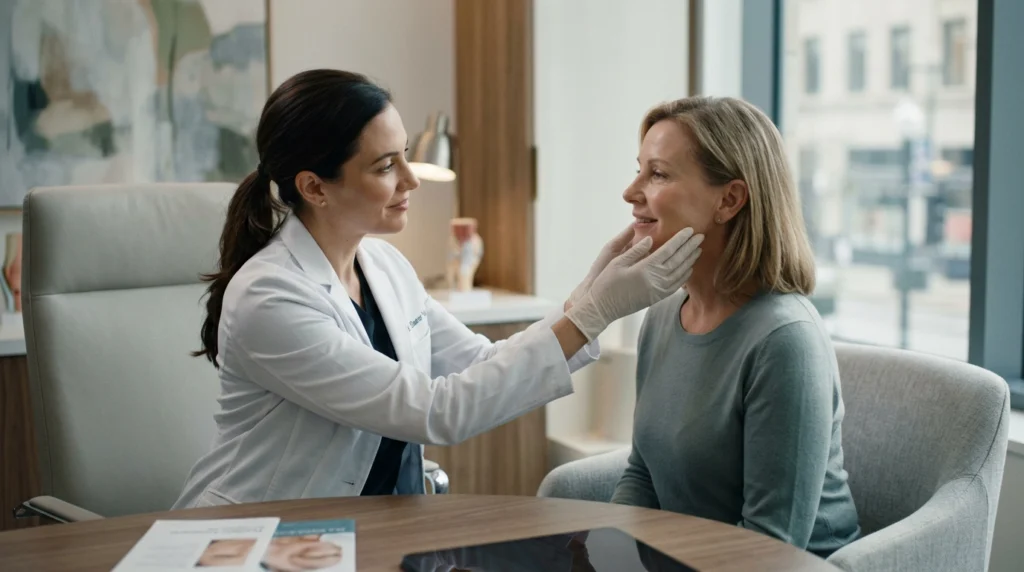
Finding the right specialist is more than just looking at their credentials. Patients feel better when they see real testimonials and before-and-after photos. These show the surgeon’s skill and let people see what they might look like after the surgery. It’s also key to check if the surgeon is part of respected medical groups. This shows they keep up with the latest in their field.
A good surgeon will talk openly about what you want to achieve. This could be an endoscopic neck lift or something else. They’ll ask about your health, what you hope to get from the surgery, and how you’re feeling. This honest talk helps build trust and confidence. It makes the whole process feel more manageable.
How well the surgeon explains things is very important. Some take the time to explain everything clearly. They make sure you understand the good and bad points of each treatment. For example, an endoscopic neck lift might mean less scarring. But it’s a procedure that needs careful planning to be safe.
Combining Treatments for Complete Facial Rejuvenation
Many people find that mixing an endoscopic brow lift with treatments like Fraxel laser or Botox works well. This mix can smooth out fine lines, lift sagging skin, and improve skin tone. It’s a way to get a balanced look across the face. Experts help patients choose the right treatments for their needs. They use non-invasive fillers like Juvederm or Restylane to fill in deep lines and add volume. This approach tackles both the structure and surface of the skin.
This method boosts confidence by combining surgery with gentler treatments. It’s important to work with a licensed cosmetic specialist to plan the treatments. This ensures the face looks natural and refreshed. Those who follow a careful plan can see a big change in their appearance. A skilled team will help create a treatment plan that suits your style and needs. They focus on both how you look and how you feel.
Cost Factors and Financial Planning
Seeing the price of an endoscopic facelift can be daunting. The cost includes the surgeon’s fee, the theatre, and aftercare. Where you live also affects the price, with big cities usually being more expensive.
Some clinics offer payment plans or loans to help with the cost. This makes it easier to manage the expense. Financial advisors can also help with planning and saving. But there’s more to consider than just money. Feeling good about yourself can change your life. Doctors and nurses are there to support you, knowing how important it is. For many, the chance to feel better about themselves is worth the cost.
Common Misconceptions about the Procedure
Many think an endoscopic facelift makes you look tight and startled. This worry comes from old methods that pulled too hard on tissues. Today, we use small cuts that keep your face looking natural and respect your unique features. Some worry it will hurt a lot. But, experts use gentle methods to keep you comfortable. With skilled hands and knowledge of the face, you won’t end up with stiff features.
Others believe recovery takes forever. While healing times vary, most people get back to their daily life quickly. New anaesthetics and precise tools help reduce swelling, making your recovery smoother. Trustworthy clinics always put your safety first. Doctors, like those with the American Society of Plastic Surgeons, follow strict guidelines. They help you set realistic goals, so you feel confident and stay true to yourself during your journey to looking younger.
Choosing Between Endoscopic Facelift and Other Methods
There are many ways to refresh your face, and what you want should decide which one. An endoscopic facelift is great for those who want a gentler approach. It uses small cuts and special cameras to target specific areas. This method usually means less time to heal. On the other hand, a traditional facelift can handle bigger changes. It might need bigger cuts and a longer recovery time. But it’s a good option for deeper issues.
For those who prefer quick fixes, non-surgical treatments like certain injectables are available. They offer fast results but are temporary. Choosing the right method depends on your health and what you hope to achieve. Getting advice from a certified expert, like one from the American Society of Plastic Surgeons, is key. Your comfort and what you expect will also influence your choice.
Preparing for Facial Rejuvenation Surgery
Getting medical clearance is the first step. A full health check is key to see if you’re ready for surgery. Blood tests and scans help understand your health better. Talking about your medicines is also important. Plan how you’ll get home after surgery. Having family or friends nearby can help a lot. Make sure you have healthy food ready and think about what you eat. Your doctor might ask you to change some medicines, so tell them everything.
Being mentally and emotionally ready is just as important. Try mindfulness or deep breathing to relax. Joining support groups can make you feel less alone. Being prepared in all ways helps make the experience smoother.
Lifestyle Adjustments to Enhance Healing
Eating well and drinking plenty of water help the body fix itself. Doctors say drinking water helps blood flow better, which reduces swelling. Taking short walks or doing light stretches can also help, as they keep energy up and blood flowing.
Mindful breathing or meditation can also help. These activities calm the mind and keep blood pressure steady. Quitting smoking is very important too, as it helps tissues heal faster and lowers the risk of problems. Getting enough rest and sleep is key to healing after a facelift. Talking about your progress with friends can also help. Making small changes in your life can lead to big improvements in your healing journey.
When to Consider a Revision or Touch-Up Procedure
Some people notice changes in their face over time. This might make them want a minor follow-up. Talking to a specialist, like one at Mayo Clinic, can help figure out what you need.
Getting a second look at your results is not a mistake. It’s a way to ensure you’re happy with your look long-term. Doctors consider many things, like how well your skin heals and your overall health. If they think a touch-up is a good idea, they’ll plan it carefully to match your features. Feeling confident is key when deciding on a procedure. Staying in touch with your doctor helps you understand what to expect. This advice helps you decide if a smaller procedure is right for you.
Looking Forward with Confidence and Natural Results
Many people find an endoscopic facelift not just brightens their looks but also lifts their spirits. Those who have battled serious health issues often feel a new sense of hope and confidence. This method can smooth out wrinkles, bring back natural contours, and help calm the mind.
Groups like the American Society of Plastic Surgeons and the American Cancer Society provide valuable information on facial rejuvenation. They offer trusted advice, helping each person find joy in their new look. The goal is to achieve natural results that respect each person’s unique story. Feeling good about how you look can give you the courage to start anew. An endoscopic facelift, paired with caring for your wellbeing, can be a big step towards feeling alive and at peace.