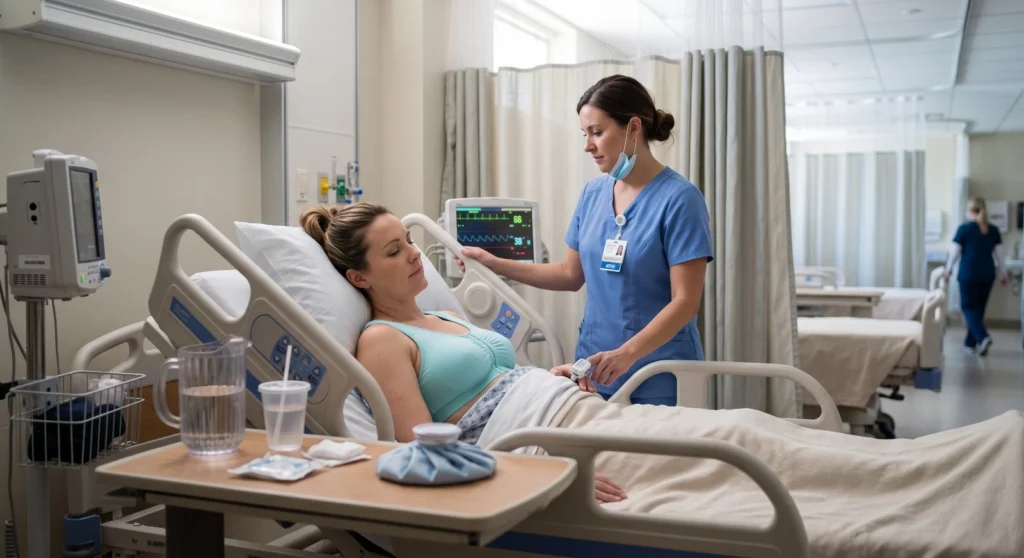
Breast surgery recovery involves physical healing, such as managing swelling and caring for incisions, alongside emotional adjustment. Following your surgeon's guidance on wound care, activity levels, and follow-up appointments is essential for a smooth and safe healing process.
- Breast surgery recovery involves physical healing, such as managing swelling and caring for incisions, alongside emotional adjustment.
- Following your surgeon's guidance on wound care, activity levels, and follow-up appointments is essential for a smooth and safe healing process.
- Recovery timelines vary, but patients are generally advised to avoid heavy lifting for four to six weeks while gradually reintroducing light activities.
- A balanced diet rich in protein, vitamins, and hydration supports tissue repair and overall healing.
- Contact your doctor immediately if you notice signs of infection, such as worsening pain, redness, foul smells, or fever.
Breast surgery recovery is about healing both physically and emotionally. Some feel a big relief after the surgery, mainly if it was for health reasons. Others might feel unsure as they start new routines and care plans. Every person’s recovery is different, but help from doctors can make a big difference. It brings peace and reassurance.
Getting ready for breast surgery recovery can make things easier. It’s good to learn about what to do after the surgery and talk to experts you trust. Understanding each step helps patients feel in control. With time and the right care, many find their recovery is a chance to focus on their wellbeing. It’s a time to build strength and feel better.
Understanding the Different Stages of Healing
The body starts to heal by itself in the first few days. You might see some swelling or bruising. This is because your body is working to fix the damage. Some people might feel their skin is tender or warm where the cut was. But, these feelings usually go away as new cells grow and make the area stronger.
As time goes on, collagen fibres help make the area stronger. This can make it feel tight or stretchy for weeks. Following tips for recovery can help with scarring and feeling better. Moving gently and taking care of the wound as advised by doctors helps too. Being patient is important during this time. You might feel emotional changes along with physical ones. Talking openly with doctors and your loved ones helps a lot. Getting tips for recovery can guide you and your family, helping you understand what to expect. Hearing from healthcare professionals can also make you feel more at ease and help your healing.
Essential Steps for Breast Surgery Recovery
Having a clear plan can make recovery easier. Patients start with advice from their surgeon. They must follow these steps, like gentle wound care and wearing a supportive garment. Family and friends can help with daily tasks. But, doing simple things yourself is good. Taking pain relief as advised helps manage pain without overusing medication.
Watching the incision site for signs of trouble is important. It helps catch any issues early. Everyone heals differently, so doing what feels right is key. Starting with small, gentle movements is safe and helps your mood. Talking about any concerns during check-ups is also important. It keeps you on track and gives you peace of mind.
Breast Augmentation Aftercare Essentials
Many people choose implants for a better look or feel. The healing process is gentle to protect new cuts. A supportive bra is key to keep implants in place (American Society of Plastic Surgeons, 2023). Making small movements helps blood flow and can lessen swelling. It’s important to clean the cuts carefully. Doctors might suggest special massage methods.
Massage helps loosen tightness around the implants. It makes them feel softer and more even. Avoiding heavy lifting is important to not slow healing. Watch out for signs like sudden redness or unusual discharge. Talking to a doctor about these issues helps. Good aftercare lets people get back to their daily life more easily.
Mastectomy Healing Process for Optimal Comfort
This phase is about both physical care and emotional adjustment. Each surgical cut needs careful cleaning, as advised by experts. Small drains around the chest help prevent fluid build-up, which can cause swelling. Arm exercises help keep blood flowing and lower the risk of lymphedema. Simple stretches and light movements, recommended by doctors, improve flexibility. Wearing loose clothes and soft bras helps when the area is sore.
Talking to a counsellor or joining a group can help share worries and questions about body image. Research from places like the National Cancer Institute shows how important it is to talk about emotional needs. The healing process can be tough, but with care and support, there’s hope. Listening to your body and seeking help is key to getting better.
Breast Reconstruction Rehabilitation Strategies
Some patients choose to have reconstruction right after a mastectomy. The journey starts with a detailed plan that meets each person’s needs. Surgeons use implants, tissue expanders, or flap procedures to create new shapes. Post-op care is key to recovery. It helps build strength and resilience. Regular check-ups at places like Mayo Clinic are important to monitor progress and solve any issues.
Physical therapy can help with chest and shoulder pain. It includes gentle stretches and exercises to strengthen the area. Emotional support, like group sessions or counselling, boosts confidence. Combining physical therapy and emotional support makes a big difference. It helps people feel more like themselves again. Having a clear plan leads to better results and peace of mind.
Recovery Timeline for Breast Surgery
Patients often wonder when they can get back to normal. In the first days, you might feel a bit sore and tired. It’s important to rest and let your energy levels come back. By the second or third week, you might start to feel better. You can do light tasks around the house. But, doctors usually say to avoid heavy lifting for four to six weeks. This lets everyone heal at their own pace. Some people go back to work sooner, while others take longer. Regular check-ups help monitor your healing. It’s also important to listen to your body and mind, as everyone recovers differently.
Recognising Signs of Infection or Complications
Changes around the incision site can mean trouble. Look out for redness, foul smells, or swelling. These signs might mean an infection is starting. Pain that doesn’t go away or gets worse is a red flag. It could mean there’s a complication. Always check your wound daily. Fever, chills, or odd drainage need quick doctor visits. Early action can stop problems from getting worse. Even small changes in skin colour or texture are important. Being alert to these signs helps healing. It lets people get help fast. This way, they avoid delays and stay calm.
Tips for Post-Op Care Around the House
Coming back to daily life after a procedure can be tough. A good plan for home tasks can help. Putting things on lower shelves makes reaching easier and avoids strain. Going slow helps keep movements gentle. Doing light tasks like dusting is better than heavy lifting. Remembering to rest in a comfy chair is key in the early days. Some people get help with hard tasks to avoid bending or sudden pain. Friends or community services can help with shopping. This helps the healing process and keeps recovery steady. Quiet routines help you feel at peace, supporting your healing journey.
Physical Activity and Exercise Guidelines
Many people find moving gently soon after breast surgery helps. Short walks can improve blood flow and reduce swelling. Gentle stretches that don’t cause pain are also good. These activities can boost mood and help get back to normal life.
High-impact exercises or heavy lifting can stress the healing tissue. Those who used to lift heavy might need more time to avoid intense workouts. It’s important to progress slowly, based on how each person heals. Avoiding sudden movements or strong arm actions helps wounds heal better. Talking to a doctor or physiotherapist can offer peace of mind during recovery. They provide guidance tailored to your needs. Safe exercise can aid in healing and help regain independence.
Breast Enhancement Surgery Healing and Scarring
Recovering from breast enhancement surgery means your body slowly heals and changes. People often worry about scars, but good care helps your body fix itself. Things like your genes, health, and skin type affect how scars heal. Using products like Cica-Care or Bio-Oil can help make scars less noticeable. These products can make the area feel better and look smoother. This can make you feel more confident about how you’re healing.
It’s important to protect your skin from the sun while you’re healing. Sunlight can slow down healing or make scars darker. Using sunscreen on sensitive areas is a good idea. Changes in your skin’s texture can happen over time. Keeping up with self-care every day can help. Having support from doctors and loved ones is key. It helps you stay positive and feel good about yourself. Scars may take months to fade, but staying determined helps. Every step you take towards healing shows your strength and confidence. Keep moving forward and believe in yourself.
Dietary Considerations to Support Healing
Choosing healthy foods can help the body heal. A balanced diet with lean meats, eggs, and dairy gives the body protein for growth. Fruits and vegetables are full of vitamins, minerals, and antioxidants that keep cells strong and fight inflammation.
Nuts, seeds, and legumes add variety and boost energy. They support the immune system and help with collagen production. Drinking plenty of water is also key, as it helps carry nutrients and remove waste. Changing your diet might seem hard, but each healthy meal helps. Avoiding sugary or processed foods keeps blood sugar stable and supports recovery. These changes often lead to better strength and comfort during healing.
Post-Surgical Recovery Advice for Long-Term Results
Patients who focus on ongoing care often see better results. A good bra supports sensitive areas, reducing strain. It’s important for comfort and stability during healing.
Keeping a stable weight is key to preserving results. Changes in weight can stress incisions and reconstruction sites. Eating well, as advised by the American Cancer Society, boosts energy. Light exercise, after doctor’s approval, also improves well-being. Regular check-ups are vital to catch issues early. Women with implants or reconstruction sites need routine checks. Talking openly with doctors helps catch problems early, keeping you comfortable and confident for years.
Emotional and Psychological Support During Recovery
After breast surgery, many people feel their moods change. The physical changes can make them anxious or question how they see themselves. Professional therapy provides a safe place to talk about these feelings. It helps patients find balance and regain confidence. Peer support groups offer a chance to share experiences. This can make people feel less alone.
Those who have had breast cancer might think back to their treatments. Talking about these memories can be helpful. Counsellors or trusted friends can guide this reflection. Some turn to spiritual or faith-based communities for support. Macmillan Cancer Support and others help connect survivors. They aim to foster acceptance and resilience. Building emotional strength is key to healing. Positive thinking and gentle encouragement help. Recognising the importance of psychological support is essential. It allows people to move forward with hope and courage.
The Role of Follow-Up Appointments and Check-Ups
Regular visits to the doctor are key to a smooth recovery after breast surgery. Surgeons check how well the incisions and implants are healing. They look at each layer of tissue to make sure everything is healing right. They also watch the drainage levels and check the reconstructed areas. This gives patients peace of mind and expert advice at every stage of their recovery.
Check-ups help address any worries that come up after leaving the hospital. Patients can ask questions, talk about any pain, or discuss changes they want to their look. Talking often with doctors builds trust and encourages open communication. The American Cancer Society suggests regular follow-ups to keep an eye on progress and catch any early signs. This ongoing care helps people feel more confident and look forward to a brighter future.
Moving Forward with Renewed Well-Being
Breast surgery recovery can start a new chapter in wellness. Many patients feel empowered after the surgery. This could be due to cancer treatment, cosmetic reasons, or gender affirmation. Looking back at physical and emotional changes brings hope. It helps people see each step as a chance for growth. This mindset is key to moving forward.
Some people feel more connected to their bodies after surgery. This connection boosts confidence and gratitude. Celebrating small wins and getting support from loved ones helps. It’s important to keep up with follow-up care after surgery. Regular check-ups and talking about concerns help maintain health. Each step shows that breast surgery is part of a bigger healing journey. Listening to your body and being patient with progress is important. Nurturing your emotional well-being leads to a brighter future.